

Resetting your circadian rhythm is key to better sleep and overall wellness. This internal clock controls sleep timing, hormone release, and other bodily functions. Modern habits—artificial light exposure, irregular bedtimes, and stress—can disrupt that rhythm and degrade sleep quality. This article explains what circadian rhythms do, how they affect health, and practical steps to reset them. You will learn how light exposure influences timing, which lifestyle changes help, and how wearable devices can support the process.

What Is the Circadian Rhythm and Why Does It Matter for Health?
The circadian rhythm is the body’s roughly 24-hour clock that coordinates sleep-wake cycles, hormone secretion, and metabolism. Keeping this rhythm aligned is important for health; prolonged disruption can contribute to insomnia, weight gain, and mood disorders. Syncing your rhythm with the natural light–dark cycle helps regulate melatonin, the hormone central to sleep onset.
How Do Melatonin and Sleep Cycles Regulate the Circadian Rhythm?
Melatonin is produced by the pineal gland in response to darkness and signals the body to prepare for sleep. This process structures the sleep–wake cycle. Evening exposure to artificial light or irregular sleep times can lower melatonin and impair sleep quality. Recognising how melatonin links to circadian timing underscores the value of a regular sleep schedule and a sleep-conducive environment.
What Are Common Circadian Rhythm Disorders Affecting Sleep?
Disorders such as Delayed Sleep Phase Disorder (DSPD) and Shift Work Disorder disrupt normal sleep timing and daily function. DSPD causes a persistent delay in sleep onset and waking, producing daytime sleepiness and impaired cognition. Shift Work Disorder arises when work hours conflict with the internal clock. Both conditions increase the risk of long-term problems, including metabolic issues and depression.
How Does Light Exposure Affect Your Circadian Rhythm?
Light is a primary external cue for the circadian system. Natural sunlight helps entrain the internal clock to the external day. Artificial light—particularly blue light from screens—can shift that timing and make it harder to fall asleep and maintain restorative sleep.
What Are the Effects of Blue Light on Sleep Quality?
Evening blue light can suppress melatonin, delaying sleep onset. Studies link extended evening exposure from electronic devices to poorer sleep quality and increased nighttime alertness. To protect sleep, limit screen use before bed and consider device settings or filters to reduce blue light.
How Can Light Therapy Help Reset Your Circadian Rhythm?
Light therapy, commonly used for Seasonal Affective Disorder (SAD), also helps shift circadian timing by simulating daylight. Daytime light exposure from therapy increases alertness and reduces daytime melatonin, which can ease sleep initiation at night. Regular, timed use can benefit people with circadian misalignment from shift work or irregular schedules.
What Are Practical Ways to Realign Your Sleep Schedule?
Realigning sleep involves concrete actions that enhance sleep hygiene and support circadian timing. Implementing consistent routines and targeted environmental changes can produce measurable improvements in sleep quality and daily functioning.
Which Lifestyle Changes Support Effective Circadian Reset?
-
Consistent Sleep Schedule: Going to bed and waking up at the same time every day reinforces your body's natural rhythms.
-
Limit Caffeine and Alcohol: Both substances can disrupt sleep patterns and should be consumed in moderation, particularly in the hours leading up to bedtime.
-
Create a Sleep-Friendly Environment: Ensure your bedroom is dark, quiet, and cool to promote better sleep. For a deeper checklist, how to increase deep sleep covers practical habits that reinforce a cooler, darker, more consistent sleep environment.
How Can Wearable Devices Monitor and Guide Circadian Adjustment?
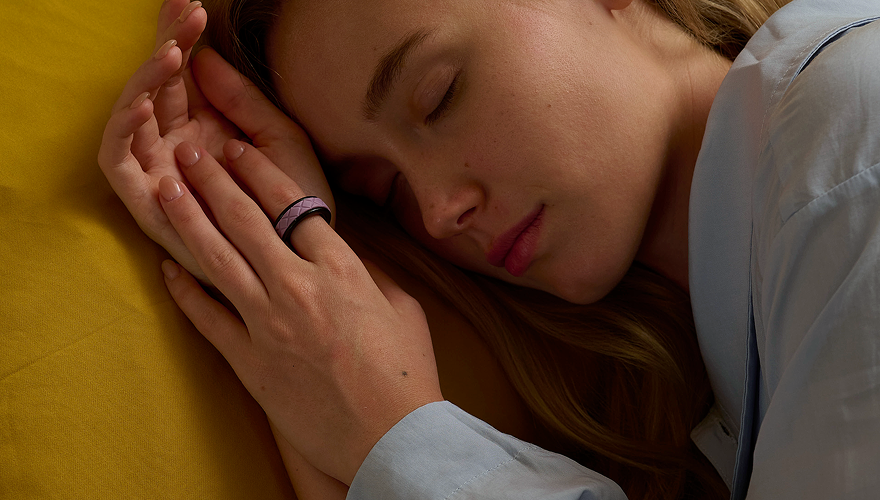
Wearable devices like fitness trackers and smart rings monitor sleep patterns and circadian indicators, offering actionable insights on sleep quality and duration. The CUDIS smart ring provides biometric sensors that track sleep stages, heart rate variability, and movement, helping users identify trends and adjust routines to support lasting sleep improvements. For readers comparing sleep-focused wearables, the CUDIS 002 Classic Ring shows how overnight tracking can fit into a simple daily routine. Readers who want to verify the product and company claims can also review whether CUDIS is legit before choosing a sleep-tracking ring.
How Can You Track and Support Circadian Reset with Technology?
Technology now offers tools to track circadian-related metrics and support behaviour change. Smart devices can reveal personal sleep patterns and health signals that inform safer, more effective adjustments to daily routines. A closer look at how CUDIS works shows how biometric trends become practical guidance for daily wellness decisions. For a broader buying perspective, this CUDIS Ring review compares the smart ring's wellness features, everyday wearability, and overall value.
What Biometric Data Do Smart Rings Collect to Aid Circadian Regulation?
Smart rings, including those from CUDIS, capture metrics such as heart rate, sleep stage distribution, and activity levels. These data help users evaluate adherence to sleep schedules and identify where small changes could yield better alignment with their internal clock. The science of PPG explains how smart rings read blood-flow signals that support sleep, heart rate, and recovery insights.
How Do AI Wellness Algorithms Personalize Guidance for Circadian Health?
AI wellness algorithms analyse device data to offer personalised sleep and wellness recommendations. By combining biometric trends with daily activity patterns, these algorithms suggest timing and habit adjustments that support a more consistent circadian rhythm over time.
Frequently Asked Questions
How does irregular sleeping affect my circadian rhythm?
Irregular bedtimes and wake times disrupt the internal clock and make sleep timing unpredictable. This mismatch reduces sleep quality and can lead to chronic problems like insomnia, persistent fatigue, and mood instability. Establishing a steady schedule and prioritising sleep helps restore circadian consistency.
Can dietary choices influence my circadian rhythm?
Yes. Large or late meals can interfere with sleep and alter melatonin dynamics. The timing of caffeine and alcohol also affects sleep quality. To support your circadian rhythm, eat balanced meals on a regular schedule and avoid stimulants close to bedtime. The guide to healthy diet and sleep goes deeper into how meal timing and food choices can affect nighttime recovery.
What role does exercise play in resetting my circadian rhythm?
Regular exercise supports healthier sleep patterns by strengthening the body’s sleep drive and aiding circadian alignment. Daytime aerobic activity is especially helpful. Avoid very intense workouts too close to bedtime, as they may increase alertness and delay sleep. For training days, active recovery can help reduce stress on the body while still supporting healthier sleep timing.
How long does it take to reset a circadian rhythm?
The adjustment period varies by individual and by how disrupted the rhythm is. Some people notice improvement within a few days of consistent habits; others need several weeks. Consistent sleep timing, managed light exposure, and lifestyle changes speed the process.
What symptoms indicate a disrupted circadian rhythm?
Signs include trouble falling or staying asleep, excessive daytime sleepiness, irritability, mood swings, and reduced cognitive performance. These symptoms often stem from irregular sleep patterns, high evening light exposure, or stress. Early recognition allows for timely adjustments to improve sleep health. If fragmented sleep is the main symptom, waking easily during sleep can help explain why light awakenings are not always a sign of poor rest.
Can meditation and mindfulness practices assist in sleep quality?
The guide to short naps explains how brief daytime rest can support energy without disrupting nighttime sleep. Meditation and mindfulness reduce stress and promote relaxation, which helps with sleep initiation and maintenance. Adding brief mindfulness exercises to an evening routine can ease the transition to sleep and support overall circadian health.
공유하기:
Can Weekend Sleep Really Fix Your Sleep Debt?
Sit All Day? Here’s Why Strength Training Matters More Than You Think