


Key Takeaways
1. Strength training uses resistance – bodyweight, dumbbells, machines or bands – and doesn’t always mean lifting heavy.
2. Consistent training helps build strength, preserve muscle mass and physical function, and support metabolic health.
3. If you spend most of your workday at a desk, strength training may help improve your body composition, reduce office-related aches like that neck and shoulder tightness, and even ease mental slump.
4. For beginners, aim for 2 to 3 full-body workouts a week and start with squats, hip hinges, pushes and pulls.
5. Monitor sleep patterns and HRV along with activity load to make informed, strategic training adjustments.
7 Min Read
Strength training uses resistance – bodyweight, dumbbells, barbells, machines or bands – think push-ups, squats and banded rows. It doesn’t always mean lifting heavy.
Strength training differs from cardio: cardio improves aerobic endurance, while strength work trains muscles and the nervous system to produce force.
Concentric contraction happens when a muscle shortens as it produces force — for example, lifting the dumbbell during a biceps curl. It usually describes the part of a movement where your muscle works to overcome resistance.
Eccentric contraction happens when a muscle lengthens while staying under tension — for example, slowly lowering the dumbbell. It can tolerate higher loads and is often more likely to cause soreness after unfamiliar training.
Muscles can also act isometrically when you do the plank. Force is generated while muscle length remains constant and joint angle stays unchanged.
Or muscles contract in an isokinetic pattern. Your joint moves at a steady pace and typically requires special equipment. Most standard gym machines aren’t truly isokinetic.
These contraction patterns all create mechanical tension. When this tension is repeated and gradually increased over time, your muscles can turn that stimulus into cellular signals that increase muscle protein synthesis. This helps repair and thicken muscle fibers — what we often call muscle building.
Why Strength Training Matters?
Strength training builds a solid foundation of muscle and makes everyday tasks (carrying bags, climbing stairs, rising from chairs...) easier.
Muscle is also a major user of glucose and helps support metabolic health, improve body composition, and counter age-related physical decline.
For people whose work involves sitting all day, these benefits translate directly to better daily energy and comfort.
Let’s start with long-term changes. A study published in the American Journal of Health Promotion divided 36 low-activity adults who sat at a desk for at least 6 hours a day into two groups.
Across 6 months, participants in the training group finished 120 combined workout sessions in total. On days they exercised, they broke their routine into two short chunks — each lasting 15 to 20 minutes including strength, flexibility, balance, and cardio. The control group performed no structured exercise.
The study found about a 3.8% increase in lean mass, roughly 9-27% strength gains, and a 7.6% drop in body fat for the training group. And they also performed better across a battery of physical function tests (Karatrantou et al., 2020).
This was a mixed program, so not all gains are due to strength training. Six months of quick daily workouts during work hours still produced measurable physical improvements.
Additionally, for people who sit at desks, targeted resistance training may help reduce neck and shoulder discomfort and make long periods of sitting feel easier.
A study published in BMC Sports Science, Medicine and Rehabilitation enrolled 30 employees with mild to moderate neck and shoulder pain.
The study design consisted of two segments: first an 8-week control period with no intervention, then 8 weeks of targeted resistance band training for the neck and shoulder muscles. Participants trained for 10 minutes daily (or split into two 10-minute sessions), 5 days per week.
Pooled analysis showed a 25% average reduction in overall pain and a 43% drop in worst pain, with a 10.6% gain in health-related quality of life (Saeterbakken et al., 2020).
Targeted resistance training may improve tolerance in the neck and shoulder region, helping reduce daily pain and support a more comfortable working posture.
What’s more, even just a few minutes of targeted resistance exercises may help ease mental fatigue.
A study featured in Workplace Health & Safety had 14 participants complete two different 4-hour mock workdays. For one session, they remained seated during the entire time; for the other, they performed about 3.75 minutes of resistance exercise every hour.
The differences in discomfort, fatigue, and sleepiness between the two conditions did not reach statistical significance. However, by the fourth hour of the work shift, the group doing hourly resistance exercises reported less mental fatigue (Kowalsky et al., 2021).
Brief resistance sessions don’t prove you can sustain all-day productivity, but they do suggest you don’t need to sit still for four hours straight.
For people who sit for most of the workday, strength training offers a realistic way to maintain muscle and physical function, reduce some office-related discomfort, and actively interrupt the buildup of fatigue.
How to Start Strength Training Safely and Effectively?
Begin with basic movement patterns, such as squats, hip hinges, pushes and pulls, instead of many isolation exercises. Think bodyweight squats, kettlebell deadlifts, push-ups and banded rows.
Warm up with 5–10 minutes of light cardio or dynamic mobility before your main workout. Don’t add more weight until form feels stable and complete every rep through the full range of motion.
Full-body routines allow beginners to target all major muscle groups while keeping form consistent throughout each exercise. They aren’t necessarily better than split routines, but they make it easier for beginners to cover the lower body, pushing movements, pulling movements and core work while practicing the basics repeatedly.
Stick to 2 to 3 full-body workouts a week, and try to leave at least one day between training sessions.
Begin with one to three sets of 8-12 reps, selecting a weight that gives you two to three reps to spare. This rep range isn’t the only effective option, but it is a simple starting point most beginners can adopt. If you can hit your target reps for two workouts in a row, increase the load slightly.
DOMS (delayed onset muscle soreness) typically develops 12 to 24 hours after training and often peaks 24 to 72 hours later. For mild soreness, walking, gentle mobility work, and other forms of active recovery may help you stay mobile without adding another demanding workout.
Stop and seek professional advice for sharp pain, joint swelling, worsening form, or symptoms that keep getting worse.
You don’t need soreness to progress; increase stimulus gradually and recover properly.
Recovery Is Part of the Training
Your muscles don’t get stronger while you’re lifting weights—they adapt during the recovery period after your workout. Adequate sleep, rest, hydration, and nutrition all contribute to that process. If you are reviewing your nutrition strategy, this guide to supplements for exercise recovery explains some commonly discussed options and the evidence behind them.
On days when you’re coming off multiple nights of poor sleep, notice your resting heart rate is running high, your lifts feel off, or muscle soreness is lingering far longer than usual, don’t force your way through a full workout. You can, for example, reduce the session, lower the weight or add one full rest day.
One lighter workout won’t derail your progress. Disregarding fatigue over time can increase your risk of burnout and injury.
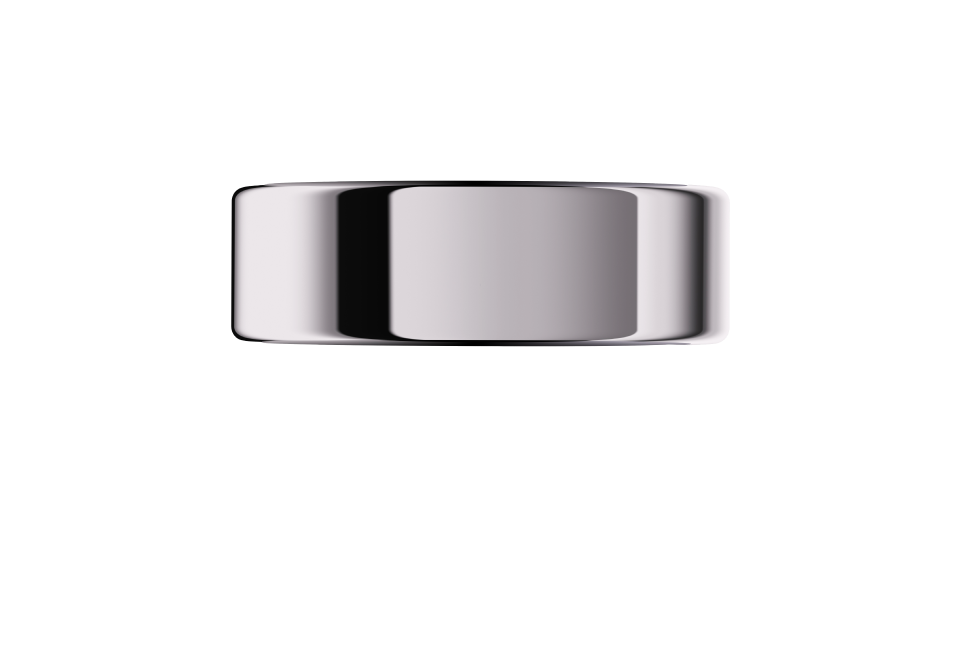
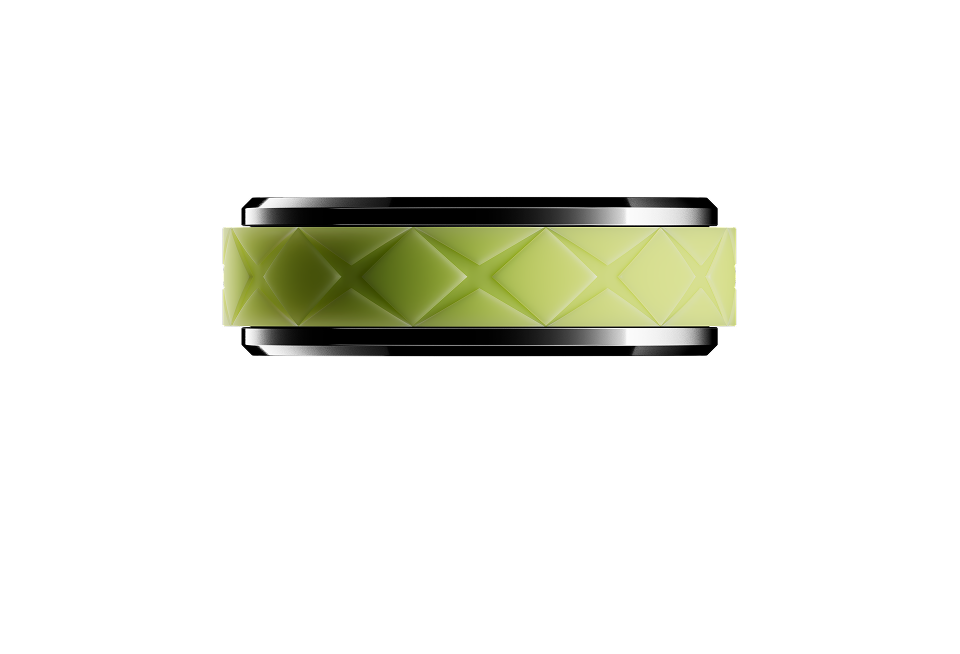
The CUDIS Sporty Ring helps you compare how you feel with longer-term sleep, activity, heart rate, and recovery trends so you can make more informed training decisions.
Its signature “Recovery Rate” combines three essential data points – heart rate variability (HRV), resting heart rate (RHR), and Sleep Score – and converts them into clear recovery insights and practical recommendations.
Its “Activity Strain” feature uses three data sets: exercise heart-rate zones, daily steps, and strength activity time.
It uses these inputs to estimate activity load and training strain, then provides personalized targets based on your current status. Learn more about the ring’s training and recovery features, including how Recovery Rate and Activity Strain are designed to support everyday training decisions. CUDIS does not provide a medical evaluation or diagnosis. Its metrics are intended to help you monitor trends and decide when it may be appropriate to push harder or prioritize recovery.
References
Karatrantou, K., Gerodimos, V., Manouras, N., Vasilopoulou, T., Melissopoulou, A., Mesiakaris, A. F., & Theodorakis, Y. (2020). Health-promoting effects of a concurrent workplace training program in inactive office workers (HealPWorkers): A randomized controlled study. American Journal of Health Promotion, 34(4), 376–386. https://doi.org/10.1177/0890117119899781
Kowalsky, R. J., Hergenroeder, A. L., & Barone Gibbs, B. (2021). Acceptability and impact of office-based resistance exercise breaks. Workplace Health & Safety, 69(8), 359–365. https://doi.org/10.1177/2165079920983820
Saeterbakken, A. H., Makrygiannis, P., Stien, N., Solstad, T. E. J., Shaw, M., Andersen, V., & Pedersen, H. (2020). Dose-response of resistance training for neck-and shoulder pain relief: A workplace intervention study. BMC Sports Science, Medicine and Rehabilitation, 12, Article 8. https://doi.org/10.1186/s13102-020-0158-0


