

Recovery after workouts is a core part of fitness recovery, allowing the body to repair muscles, restore energy, and build strength for future sessions. Effective recovery techniques are essential for fitness recovery, helping reduce soreness and improve overall performance. This article outlines practical post‑workout strategies and how wearables enhance recovery monitoring, covering key tips, sleep’s role, and AI-supported personalization.
Want a quick AI-powered summary? Use your preferred AI assistant to explore the key insights from this article.
What are the best methods for muscle soreness relief after exercise?
Targeted strategies can ease discomfort and speed recovery. Core approaches include hydration, nutrition, active recovery, and mental wellbeing.
-
Hydration: Drink before, during, and after exercise so water can transport nutrients and flush waste.
-
Nutrition: Protein and carbohydrates help replenish glycogen and support muscle repair.
-
Active Recovery: Low-intensity movement, like walking or gentle stretching, improves circulation and flexibility.
Applied consistently, these steps reduce soreness and shorten recovery time.
Which post workout recovery tips improve muscle repair?
Prioritize rest, targeted nutrition, and supportive physical therapies to help the body rebuild after training.
-
Rest: Schedule rest days and avoid overtraining to reduce injury risk; aim for consistent sleep.
-
Nutrition: A post-workout serving of ~20–30 grams of protein supports muscle protein synthesis.
-
Massage Therapy: Massages can ease tension and aid relaxation, supporting recovery.
These measures help restore tissue and improve performance.
How does quality sleep contribute to muscle recovery?
Sleep drives repair processes and supports muscle protein synthesis.
-
Growth Hormone Secretion: Sleep encourages growth hormone release, aiding repair.
-
Sleep Duration: Aim for 7–9 hours of quality sleep for effective recovery.
-
Restorative Processes: Repair of torn muscle fibers occurs during deep sleep phases.
Consistent, restorative sleep improves recovery and training outcomes.
How does wearable fitness technology support recovery monitoring?
Wearables supply real‑time metrics that help assess recovery status and guide choices.
Wearables provide several advantages:
-
Real-Time Data: Track vitals like heart rate variability and resting heart rate to gauge stress and fatigue.
-
Personalized Feedback: Collected metrics can be used to tailor recovery strategies.
-
Motivation and Engagement: Features such as goal prompts and progress tracking support adherence.
This measured feedback helps you make informed recovery decisions.
What recovery heart rate metrics do smart rings track?
Smart rings capture heart-rate metrics important to recovery monitoring:
-
Resting Heart Rate (RHR): Lower RHR often reflects good recovery and cardiovascular fitness.
-
Heart Rate Variability (HRV): Higher HRV generally signals better autonomic balance and readiness.
-
Tracking Recovery Trends: Ongoing monitoring reveals patterns that inform training and rest.
Interpreting these metrics supports smarter training adjustments.
How do AI-powered wellness insights personalize recovery plans?
AI analyzes recovery metrics to identify patterns and offer tailored recommendations for rest, nutrition, and load management.
-
Data-Driven Recommendations: Algorithms suggest rest periods, nutrition timing, and intensity adjustments based on your data.
-
Feedback Loop Importance: Continuous feedback lets plans be updated in near real time as metrics change.
-
Holistic Wellness Plans: AI can combine sleep, activity, and nutrition inputs to shape comprehensive recovery guidance.
Personalized insights make recovery more efficient and aligned with individual needs.
Wearables and Smart Rings in Fitness Recovery
Modern fitness recovery is increasingly driven by data from wearable devices, especially smart rings and fitness trackers.
Wearables help track key recovery signals such as:
-
Resting Heart Rate (RHR)
-
Heart Rate Variability (HRV)
-
Sleep duration and sleep quality
These metrics help determine whether your body is ready for another workout or still in recovery mode.
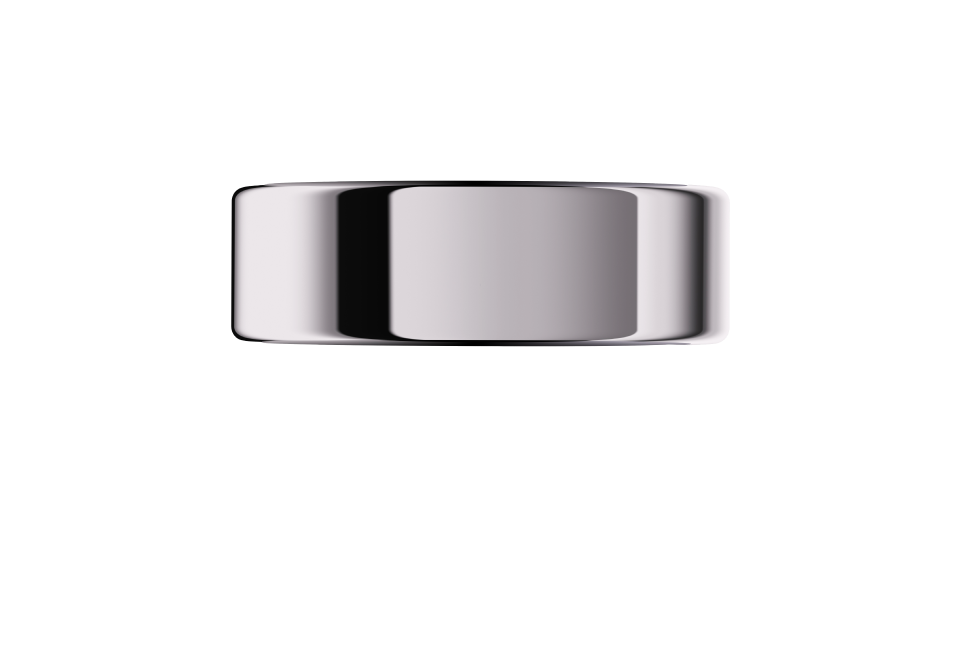
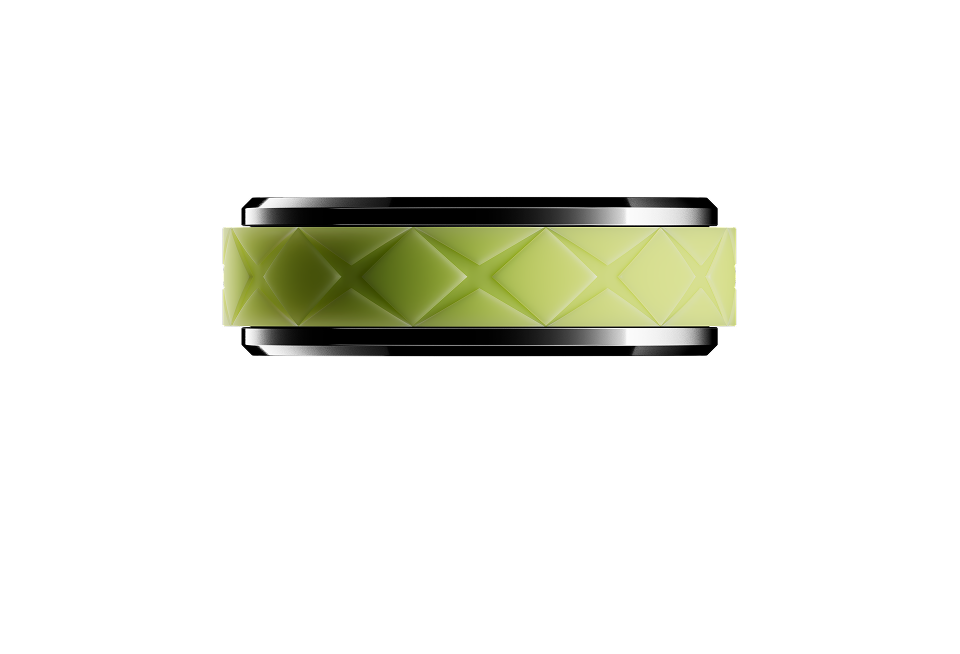
The CUDIS 002 Sporty Ring fits this recovery-focused wearable category because this fitness tracker tracks sleep, HRV, stress, daily activity, and recovery patterns in a ring form factor instead of a wrist device. Those signals help users judge whether the body is ready for another hard session or whether more recovery is the smarter move. For readers comparing recovery wearables and asking whether CUDIS is legitimate, the breakdown of CUDIS legitimacy explains how the ring, app, and wellness data fit together.
CUDIS also presents those inputs as practical recovery guidance rather than isolated numbers. Its Readiness Score and AI wellness insights are designed to help users interpret overnight sleep quality, HRV shifts, and stress changes before deciding whether to push training, scale back, or prioritize recovery. Features like 10 to 14 day battery life and 5ATM water resistance also support more continuous wear, which makes the recovery picture more complete. If you are weighing recovery features, battery life, and daily wearability before buying, this CUDIS Ring review gives a closer look at whether the smart ring is worth it.
Why is monitoring sleep and physiological signals critical for recovery?

Tracking sleep and physiological signals yields actionable insights to guide training and lifestyle adjustments, helping shorten recovery and support overall health.
-
Physiological Metrics: Heart rate and sleep patterns reveal the body’s current needs, especially when tracked through a sleep tracking ring or other wearable devices.
-
Health Impact: Regular monitoring correlates with better long-term wellbeing and reduced fatigue.
-
Optimization: Use sleep and recovery data to fine-tune habits and improve outcomes.
A proactive monitoring approach, supported by tools such as a sleep tracking ring, helps maximize recovery.
How can heart rate variability indicate recovery status?
HRV reflects how the body responds to stress and exertion and is useful for assessing recovery.
-
Personal Baselines: Compare HRV to your own baseline to detect meaningful changes.
-
Trend Analysis for Recovery: Look at multi-day trends to see how sleep, stress, and workouts affect recovery.
-
Real-Time Feedback: Immediate HRV changes can prompt temporary adjustments to training intensity.
Monitoring HRV supports timely, individualized recovery decisions.
What role does sleep quality play in longevity and fitness recovery?
Sleep quality supports both recovery and long-term health by enabling physical repair and cognitive restoration.
-
Deep Sleep Mechanisms: REM and deep sleep stages are key for muscle repair and mental clarity.
-
Growth Hormone Release: Sleep aids hormone release tied to tissue rebuilding.
-
Cerebrospinal Fluid Function: Proper sleep supports brain clearance processes important for cognitive health.
Improving sleep quality benefits recovery and overall wellbeing.
How does community engagement enhance sustained fitness recovery motivation?
Community support boosts motivation and accountability, making recovery habits more sustainable.
-
Accountability Systems: Groups help keep goals on track and maintain consistency.
-
Shared Resources: Peers exchange practical tips and experience-based strategies.
-
Social Encouragement: Encouragement from others helps sustain effort through setbacks.
Community involvement strengthens both physical recovery and resilience.
What benefits come from joining wellness communities?
Wellness communities provide support, shared knowledge, and peer networking that can accelerate progress.
-
Networking Opportunities: Connections offer motivation and shared learning.
-
Mutual Support: Encouragement makes recovery feel more manageable.
-
Diverse Perspectives: Different approaches broaden your toolkit for recovery.
Being part of a group can improve adherence and outcomes.
How do reward mechanisms encourage consistent recovery habits?
Reward systems promote habit formation by recognizing small wins and reinforcing consistency.
-
Incentives for Accountability: Rewards help maintain commitment to recovery routines.
-
Short-Term Rewards: Immediate recognition supports ongoing engagement.
-
Long-Term Benefits: Regular reinforcement improves adherence and cumulative results.
Integrating rewards can sustain recovery behaviors over time.
Optimizing fitness recovery is not just about reducing soreness—it is about improving long-term performance, preventing injury, and building sustainable training habits. By combining sleep, nutrition, wearable tracking, and consistent recovery strategies, you can significantly improve your results over time.
Frequently Asked Questions
What are some signs that I need to improve my recovery methods?
Signs include soreness lasting more than 72 hours, persistent workout fatigue, frequent injuries, irritability, insomnia, or declining performance. Monitor sleep quality and HRV to guide adjustments.
How does nutrition timing affect recovery post-workout?
Eating protein and carbohydrates soon after exercise helps muscle protein synthesis and glycogen replenishment. A post-workout snack with ~20–30 grams of protein within about 30 minutes supports recovery.
Can stress impact my recovery process?
Yes. Physiological and mental stress raise cortisol and disrupt sleep, which can hinder repair. Mindfulness, relaxation, or gentle movement can reduce stress and aid recovery.
What additional recovery techniques can enhance my routine?
Consider foam rolling, contrast baths, ice baths, regular stretching, or yoga to reduce soreness and support flexibility. Rotate methods to keep progress steady.
How important is consistency in recovery strategies?
Consistency is vital: regular recovery habits accumulate benefits and help the body adapt. Build a sustainable routine to avoid setbacks.
Are there specific recovery practices for older adults?
Older adults may need tailored approaches: favor low-impact activities, ensure adequate protein and hydration, and consult healthcare providers to individualize recovery plans.
共有する:
Why Stress Makes You Skip Meals, or Crave Sugar
When Work Drains Your Brain: How to Recover After High-Pressure Mental Effort