

Key Takeaways
1. Stress can affect appetite in opposite ways, but in both cases eating shifts from fueling your body to coping with your current state.
2. Acute stress triggers the body’s emergency response, which can temporarily suppress appetite and blunt hunger signals.
3. Chronic stress, cortisol reactivity, and poor emotional recovery may increase stress-related eating.
4. Lower controllable everyday stressors with simple tweaks: keep a steady sleep routine, cut back on caffeine and alcohol after dark, avoid long-term irregular meals, and stop overdoing your workouts.
5. If stress has zapped your appetite, replenish energy with small, easy-to-eat foods. If stress makes you over-snack, start by filling your plate with balanced, satisfying main meals.
5 Min Read
Stress can alter eating patterns. Some people lose their appetite and live on coffee; others reach for sweets or fried snacks.
Some people lose every bit of their appetite, and others just can’t stop munching. But both boil down to the same thing: stress has shifted eating from fueling your body’s needs to coping with your current mental state.
Your body needs steady energy, protein for muscle repair, complex carbs for energy, and overall nutrients to support training recovery, focus, immune function, and daily performance. But stress can make these signals feel dull, chaotic, and hard to read.
It’s common to skip regular meals when stressed or get hit with cravings for sugar and snacks before bed. If you care about working out, staying healthy and recovering well, the problem isn’t just eating too much or too little. It’s that stress can push your body’s recovery needs behind alertness, fatigue, and the pull of quick rewards.
Acute Stress Can Blunt the Rise in Appetite
When acute stress strikes, the body goes into emergency mode: heart rate rises, attention narrows, and hunger often fades.
Here’s an easy way to think about it, when stress hits, your body focuses on coping with that pressure instead of digesting a full meal.
A research study published in PLOS ONE tested healthy, non-obese men after an overnight fast, with the same participants completing both a stress condition and a control condition on different days.
Both tests included stress-inducing speech and mental-arithmetic tasks, but under the stress condition, participants were told they would have to repeat the tasks afterward. Researchers used magnetoencephalography (MEG) to track brain activity as participants viewed images of food, while participants self-reported their stress levels and appetite.
The study found participants under stress felt more stressed and showed signs of higher sympathetic activation, but they didn’t get the gradual rise in appetite seen in the control condition. This suggests acute stress may alter brain responses to food images and suppress the normal rise in appetite signals (Nakamura et al., 2020).
Skipping one or two meals occasionally won’t cause serious harm; however, prolonged inadequate intake of calories, protein, and carbohydrates can impair recovery, cause persistent fatigue, and make it harder for the body to maintain normal function.
Stress Can Also Push You Toward Fatty, Sugary Snacks
Stress doesn’t always reduce appetite. Stress can also increase cravings for high-fat, high-sugar foods, especially in groups with higher chronic stress and weight-related vulnerability.
In a Nutrients study, 137 children and adolescents completed the Trier Social Stress Test (TSST); researchers then measured chronic stress, body mass, salivary cortisol reactivity, emotional recovery, and post-stress snack intake.
In this study, participants with both higher chronic stress and overweight ate more high-fat sweet snacks after stress. Stronger cortisol reactivity was also associated with increased intake of these snacks (Wijnant et al., 2021).
Stress eating isn’t just weak self-control. It can also reflect how your brain, body, and emotional systems work together to reach for rewarding foods that degrade diet quality over time.
Why Stress Changes What and How You Eat
Stress messes with your hunger signals via two major body systems: the ANS (autonomic nervous system) and the HPA axis (hypothalamic-pituitary-adrenal axis).
The sympathetic nervous system, a branch of the ANS, works like an emergency switch. It raises alertness, mobilizes energy, and suppresses non-urgent digestion and eating signals.
Post-stress recovery capacity is equally important. If parasympathetic recovery, the body’s calming system, is slower, it may be harder to shift out of tension.
The HPA axis works on a slower, longer stress cycle. When stress hits, your body releases CRH (corticotropin-releasing hormone), which then influences ACTH (adrenocorticotropic hormone) and changes in cortisol. It may influence both your hunger levels and the types of foods you desire.
Tight work deadlines, bad sleep, unfinished gym recovery, constant low calorie intake, aches, sickness, fights with people, and nonstop worry, all these stressors can stack up and throw off appetite regulation.
How to Keep Stress From Taking Over Your Eating
You don’t need to erase anxiety. Focus on reducing stressors you can control and carving out extra recovery time.
Stick to consistent sleep hours. Limit caffeine and alcohol after dark. Avoid irregular meal schedules. Skip daily high-intensity overtraining. During high-stress phases, avoid adding extra load when you can.
For stressors you can’t fully control, the goal is not to erase them completely, but to reduce stacked stress and give your body more room to recover.
If stress makes food feel unappealing, choose small, warm, easy-to-digest foods such as noodle soup, congee, yogurt, fruit, eggs, fish or a protein shake.
If you often overeat or snack more under stress, don’t rely on willpower alone; start by planning balanced main meals with protein, whole grains, and dietary fiber.
How CUDIS Helps You Sense Stress
Stress doesn’t always show up loudly, sometimes it looks like a lack of interest in food, sudden sugar cravings, lighter sleep, or waking up without feeling rested.
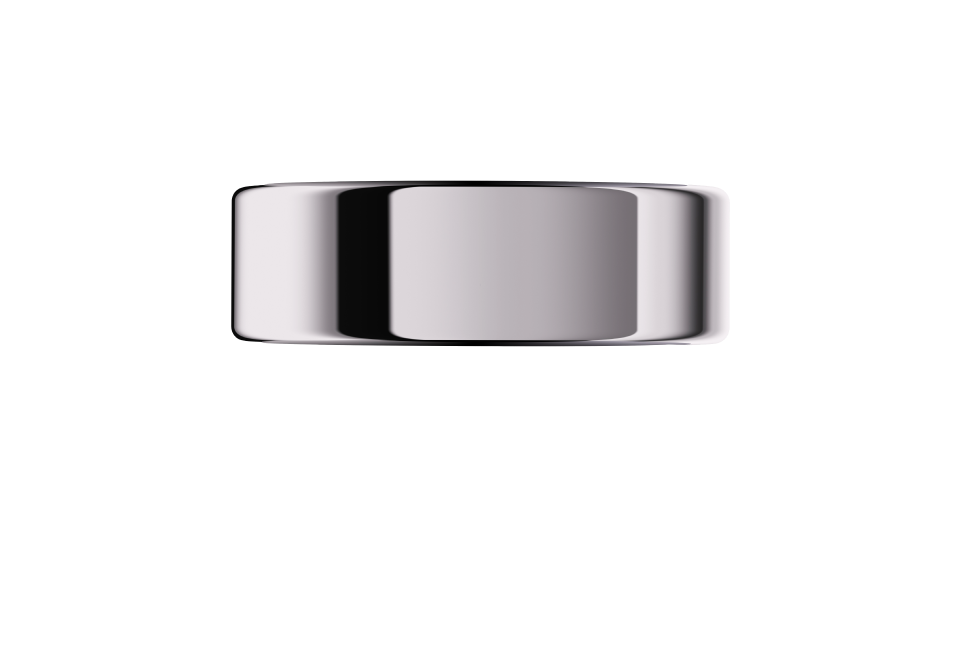
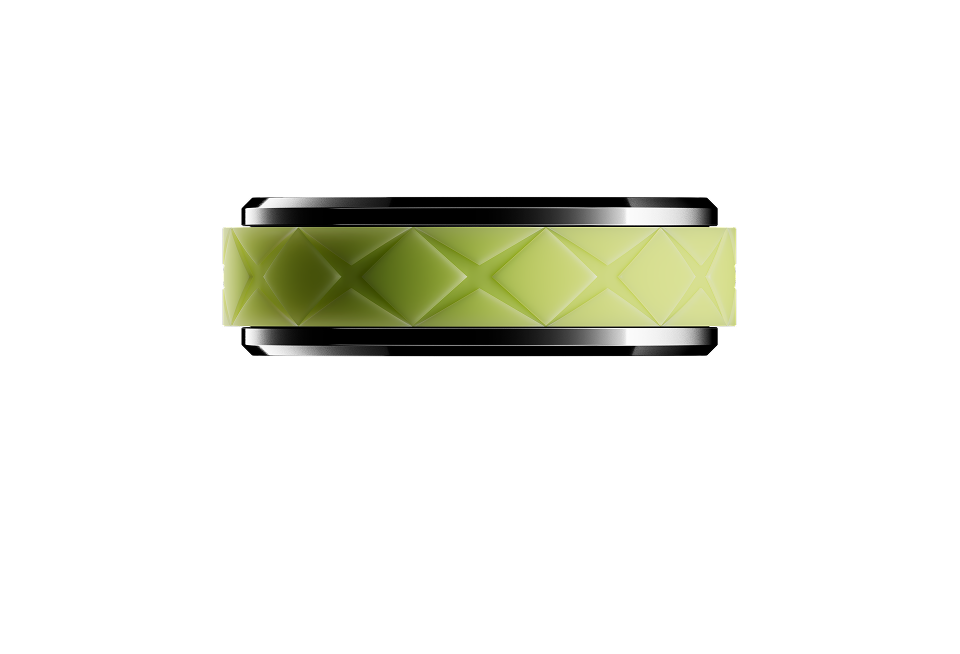
CUDIS can help convert unclear bodily discomfort into more observable information. You can use HRV together with RHR, Sleep Score, Stress Index, and Recovery Rate to make patterns related to stress and recovery easier to notice.
If your HRV falls below your recent baseline, your RHR goes up, your stress index rises, and your sleep score drops at the same time, this may suggest that your body is carrying a higher load.
It can’t diagnose stress problems or explain appetite changes on its own; treat it as a warning to rest and prioritize recovery. Focus on improving sleep, eating regularly, and keeping a consistent recovery routine.
References
Nakamura, C., Ishii, A., Matsuo, T., Ishida, R., Yamaguchi, T., Takada, K., Uji, M., & Yoshikawa, T. (2020). Neural effects of acute stress on appetite: A magnetoencephalography study. PLOS ONE, 15(1), e0228039. https://doi.org/10.1371/journal.pone.0228039
Wijnant, K., Klosowska, J., Braet, C., Verbeken, S., De Henauw, S., Vanhaecke, L., & Michels, N. (2021). Stress responsiveness and emotional eating depend on youngsters’ chronic stress level and overweight. Nutrients, 13(10), 3654. https://doi.org/10.3390/nu13103654


