

From data to meaningful action

Sleep
Understand Sleep
Score your rest. Evaluate your sleep efficiency and disturbances to understand how well you actually recovered.

Sleep
Break Down
Monitor your cycles. Track every stage of sleep—from Light and REM to Deep Sleep—with clinical-grade precision.

Sleep
Optimize Your Night
Receive personalized coaching on when to head to bed and how to wake up feeling truly refreshed.

Vitality
Track Your Load
Measure the impact of every move you make! CUDIS ring tracks fluctuations in the intensity of your physical activity with precision. Track and earn points for over 30 different activities - from running and skiing to rock climbing, Jiu Jitsu, and even everyday movements like walking your dog!

Vitality
See the Pattern
Spot trends in your performance to stay ahead of the curve.

Vitality
Peak Performance
Get a daily strain target tailored to your body’s readiness.

Stress
Know Your Readiness
See exactly how prepared your body is for physical or mental stress by analyzing your nervous system's key signals.

Stress
Own Your Day
Get clear, actionable coaching to optimize your performance based on your body’s real-time state.

Stress
A Fresh Start,
Every Morning.
Wake up to a recalibrated baseline, ensuring you approach every new day with peak clarity and intent.

CUDIS Age

FEATURE
What is CUDIS Age?
Your CUDIS Age is calculated from your daily biometrics —sleep quality, heart rhythm, recovery, and activity.A single number that reflects how your lifestyle shapes your longevity.

FEATURE
Pace of Aging
Your Pace of Aging (PoA) determines whether your body ages faster or slower. Experience constant awareness of your blood oxygen saturation, that critical yet often overlooked vital sign.

FEATURE
Unlock Your Longevity Journey
Track your Age, climb the leaderboard, earn HPs — and stay younger for longer. Health is Wealth.

CUDIS Store

FEATURE
Redeem Points,
Save Instantly
Use the points you earn from CUDIS to redeem discount vouchers for a wide range of products — from fitness classes to wellness essentials — all with just one tap.

FEATURE
Auto-Locate
Nearby Stores
Use the points you earn from CUDIS to redeem discount vouchers for a wide range of products — from fitness classes to wellness essentials — all with just one tap.

FEATURE
One Code, Redeem Instantly In-Store
Each voucher comes with a unique redemption code. Just show the code in-store to redeem — fast, simple, and hassle-free.

Choose Your Finish
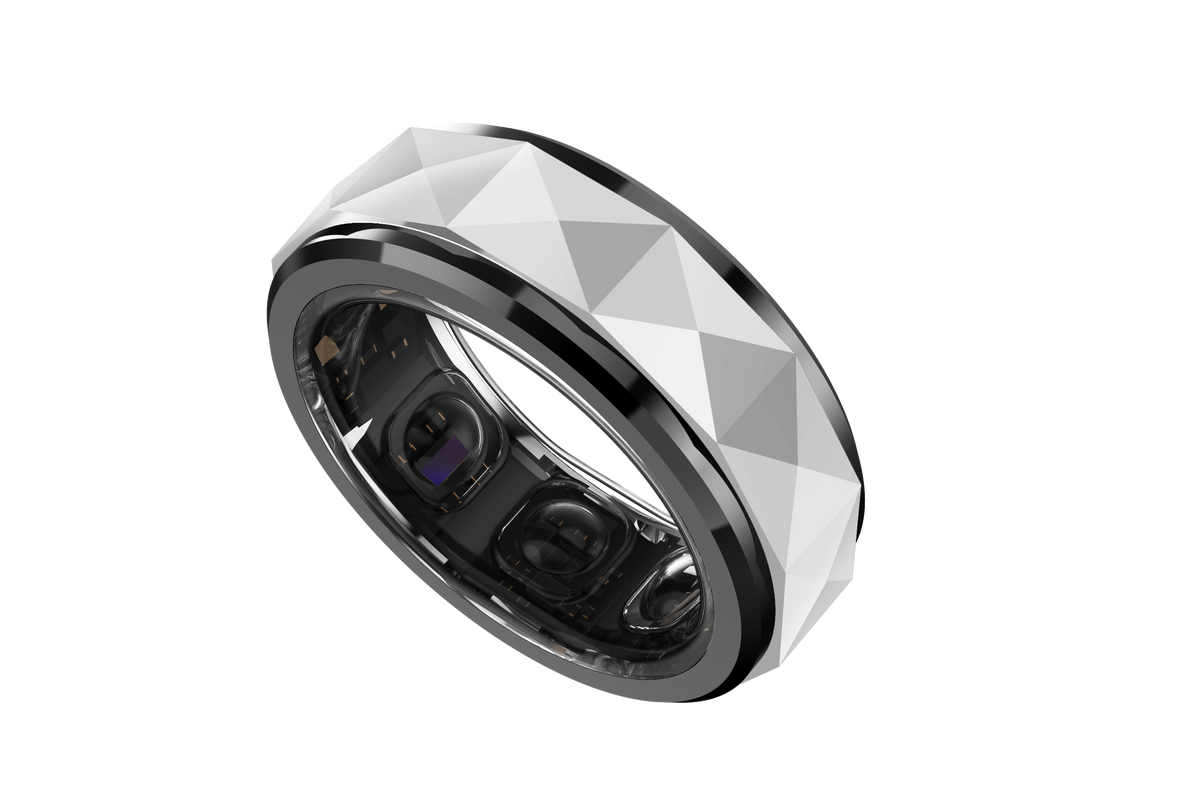
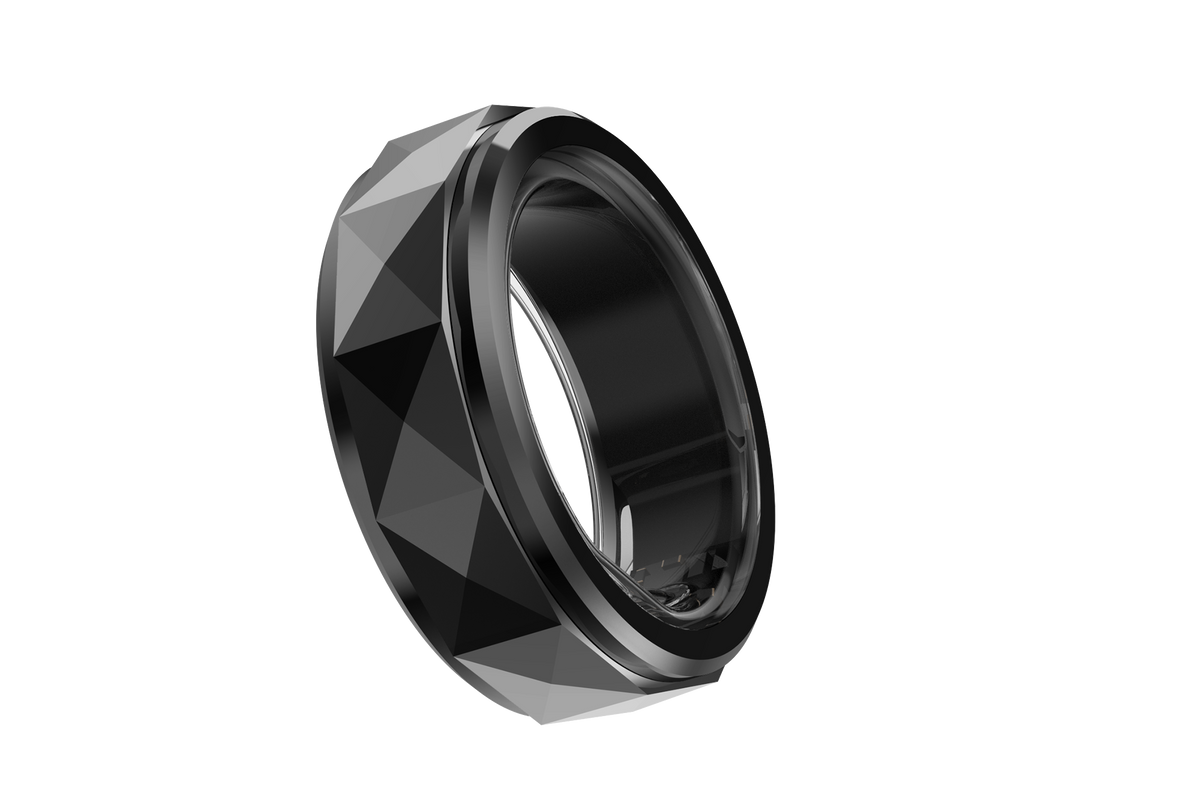
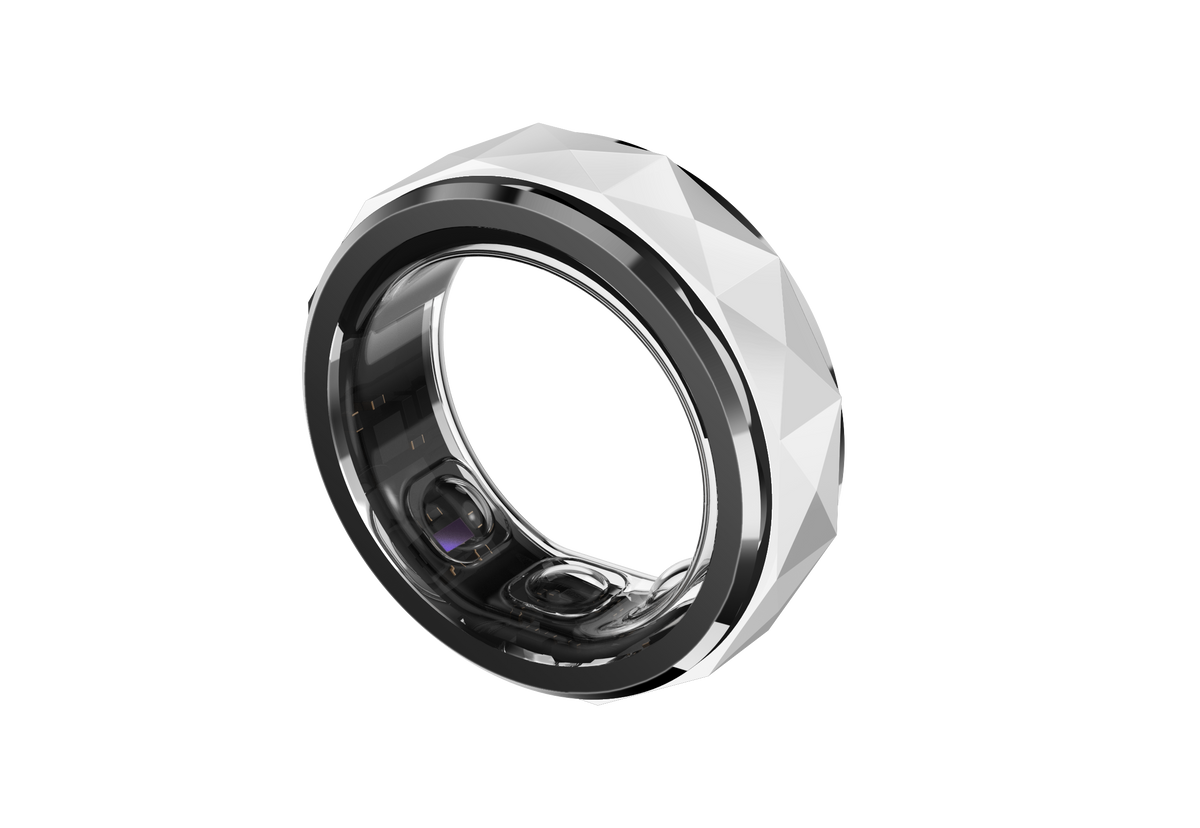
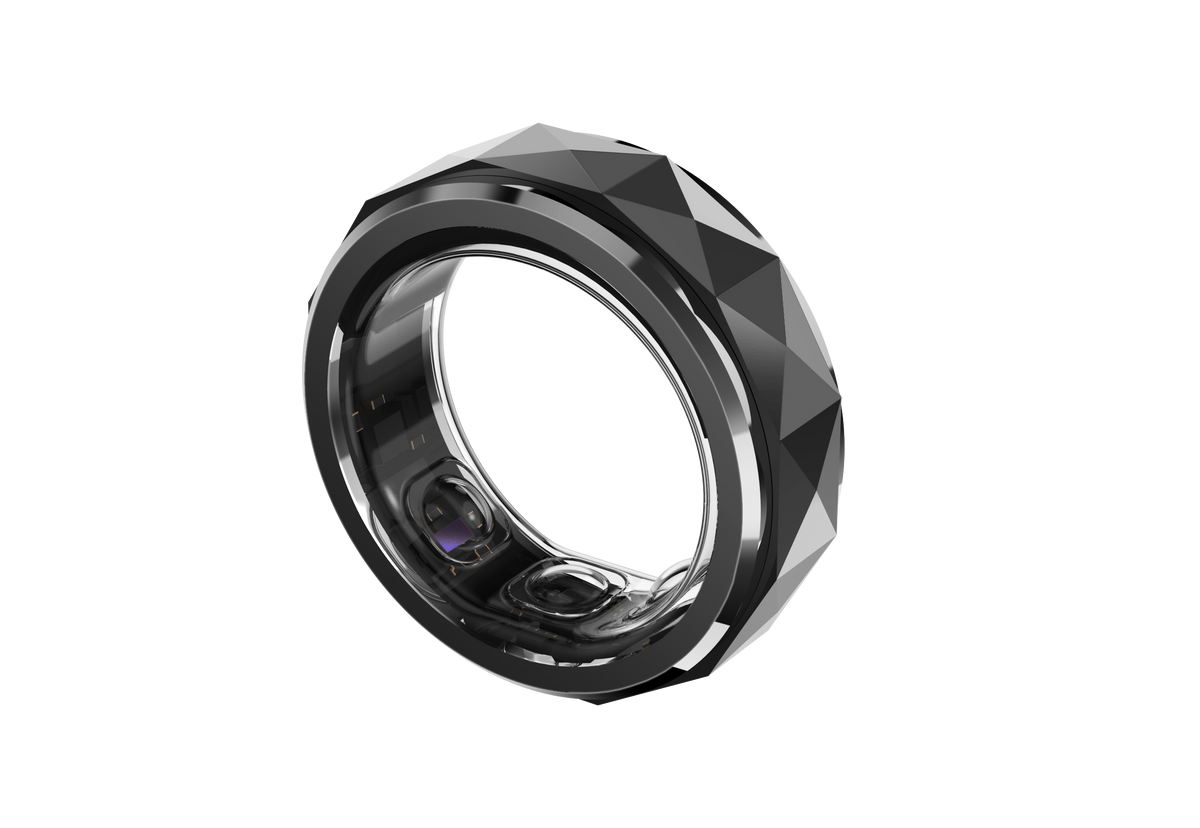


CUDIS 002 Classic Ring — Smart Ring for Sleep & Recovery Tracking

CUDIS Reward System
Learn how our reward system make your wellness journey fun and enriching.
Holistic Wellness, Holistic Rewards
Earn Health Points for workouts, energy journaling and many more good stuff you treat your body with—watch them stack up on our Seasonal Leaderboard and unlock exclusive rewards that celebrate your wellness journey:

NO FEES, ALL BENEFITS
CUDIS doesn't just eliminate subscription fees. All our users enjoy premium benefits such as exclusive NFT claims, ring upgrades, and access to exceptional rewards—without ever paying a monthly fee.

WELLNESS GRANTS
We Invest in Your Wellness Portfolio. We give grants of up to $5,000 to top performers on our Seasonal Leaderboard to fuel your active lifestyle and take your wellness achievements even further.

WELLNESS RETREATS
Turn your wellness achievements into a chance to experience our exclusive Bali retreat. Your treat, on us! Coming soon in CUDIS App.

Our innovative technology supports the next rising star athletes


CUDIS 002 Classic Ring
$239.00