


CUDIS Ring vs Ultrahuman Ring AIR: The Short Answer
Choose the CUDIS 002 Classic Ring for no monthly subscription, strong core health tracking, and a long battery life at $349. Choose the Ultrahuman Ring AIR for a slimmer build focused on metabolic and recovery analytics, also at $349.
Both rings carry no ongoing subscription fee, the upfront purchase price covers full app access indefinitely. That shared baseline shifts the decision entirely to hardware and feature priorities.
Our CUDIS 002 Classic Ring delivers a battery life advantage and direct integrations with Apple Health, Google Health, Strava, and MyFitnessPal, four major platforms for people who want straightforward, reliable health data without managing additional plugins. The Ultrahuman Ring AIR targets users who want deeper metabolic scoring and recovery analytics, and who are comfortable navigating a richer app ecosystem expanded through PowerPlugs partner integrations. The two rings occupy the same price point and the same subscription-free tier; the right choice depends on whether battery endurance and simplicity or slim form and analytical depth matter more to you.
CUDIS vs Ultrahuman at a Glance: Head-to-Head Spec Table
The table below compares the CUDIS 002 Classic Ring and the Ultrahuman Ring AIR across 8 sourced spec axes plus a qualitative hands-on judgment.
|
Spec |
CUDIS 002 Classic Ring |
Ultrahuman Ring AIR |
|
Starting price |
$349 |
$349 |
|
Subscription fee |
No |
No |
|
Battery life |
Up to 10 days |
4–6 days |
|
Water resistance |
5 ATM (50m) |
Up to 100m |
|
Weight |
3 grams |
2.4–3.6g |
|
Material |
Full titanium |
Titanium with tungsten carbide coating; hypoallergenic epoxy inner |
|
Third-party integrations |
Apple Health, Google Health, Strava, MyFitnessPal |
Apple Health plus PowerPlugs partners (Clue, Coros, Withings, FatSecret, Les Mills) |
|
Warranty length |
1 year (extendable to 2 years) |
1 year standard; 2 years with Ultrahuman X |
|
Our hands-on take |
Core health metrics read cleanly day-to-day; the four direct integrations sync without manual intervention, and the absence of a subscription removes a recurring decision from the ownership experience. |
Metabolic and recovery scores deliver analytical depth; the PowerPlugs ecosystem expands capability meaningfully, though navigating partner apps adds setup friction compared to native integrations. |
How We Evaluated These Two Smart Rings
We compared the CUDIS 002 Classic Ring and Ultrahuman Ring AIR based on publicly available specifications, core features, pricing models, and user experience priorities. This is not a clinical lab test or a comparison against medical-grade reference devices; it is a practical look at how each ring supports daily wellness decisions.
There are 4 dimensions we judged: comfort on the finger across a full day, app clarity, battery endurance, and overall ownership value. App clarity means how quickly a non-technical user reaches actionable data; battery endurance covers realistic mixed-use conditions; ownership value includes subscription costs and integration setup.
We explicitly did not measure sensor accuracy against medical-grade equipment. Heart rate, SpO2, and sleep-stage figures from both rings are treated as directional indicators, not verified clinical outputs. Any accuracy claim in this article reflects manufacturer-published specifications or independent reviewer consensus, not our own instrumentation.
The goal was a practical ownership picture, what it actually feels like to live with each ring for a week, rather than a benchmark study. That framing shapes every judgment that follows.
Price and Total Cost of Ownership: CUDIS vs Ultrahuman
Both the CUDIS 002 Classic Ring and the Ultrahuman Ring AIR start at $349 and include full access to their core health tracking features without a mandatory monthly subscription. The biggest difference in long-term ownership cost comes from Ultrahuman's optional paid PowerPlugs, which expand the platform with additional analytics and partner integrations.
|
Cost Factor |
CUDIS 002 Classic Ring |
Ultrahuman Ring AIR |
|
Starting price |
$349 |
$349 |
|
Monthly subscription |
None |
None |
|
Optional paid features |
None |
PowerPlugs (optional) |
|
Estimated 3-year ownership cost |
$349 |
$349+ (depending on optional PowerPlugs) |
For people who prefer predictable ownership costs, we keep everything simple with a one-time purchase. Ultrahuman follows a more expandable model, allowing users to add optional PowerPlugs over time if they want additional features beyond the core experience.
Subscription Model: What's the Difference?
Although neither smart ring requires a mandatory monthly subscription, their long-term ownership models are different.
With the CUDIS 002 Classic Ring, every core feature—including sleep tracking, HRV, recovery insights, AI coaching, and activity monitoring—is included after the initial purchase. There are no premium tiers or paid feature unlocks to consider later. This makes CUDIS a strong smart ring without subscription for people who want core insights included from day one.
The Ultrahuman Ring AIR also provides its core health tracking without a subscription. However, users who want additional capabilities can purchase PowerPlugs, optional add-ons that extend the platform with specialized analytics and partner integrations. These upgrades are entirely optional, but they can increase the overall cost of ownership over time.
In short, we offer a fixed-cost ownership experience, while Ultrahuman provides a more expandable ecosystem for people willing to invest in additional features.
Health Tracking and Insights: CUDIS vs Ultrahuman
Both the CUDIS 002 Classic Ring and the Ultrahuman Ring AIR monitor the core health metrics most users expect from a premium smart ring. The biggest difference is not the sensors themselves; it is how each platform presents and interprets your health data.
|
Feature |
CUDIS 002 Classic Ring |
Ultrahuman Ring AIR |
|
Sleep tracking |
✅ Sleep stages & sleep score |
✅ Sleep stages & sleep score |
|
Heart rate |
Continuous monitoring |
Continuous monitoring |
|
HRV |
AI-powered recovery insights |
Detailed HRV analysis |
|
Blood oxygen (SpO₂) |
✅ |
✅ |
|
Recovery |
AI coaching with actionable recommendations |
Advanced recovery and readiness metrics |
|
Activity tracking |
Steps, calories, workouts, Apple Health, Google Health, Strava, MyFitnessPal |
Steps, calories, workouts, Ultrahuman ecosystem & PowerPlugs |
The CUDIS 002 Classic Ring focuses on AI-guided coaching, turning health metrics into practical recommendations that are easy to understand. Rather than presenting large amounts of raw data, the app highlights what changed and suggests actions you can take to improve sleep, recovery, or daily activity.
The Ultrahuman Ring AIR takes a more analytical approach. It offers deeper recovery insights, Movement Index, Strain scores, and optional PowerPlugs that expand into metabolic health and additional wellness tracking. This makes it better suited for people who enjoy exploring detailed health data.
Both rings use optical sensors and skin-temperature sensors to monitor wellness trends throughout the day. Neither device is a medical device, and both are designed for consumer health tracking rather than clinical diagnosis.
Battery Life: CUDIS vs Ultrahuman
|
Feature |
CUDIS 002 Classic Ring |
Ultrahuman Ring AIR |
|
Battery life |
Up to 10 days |
4–6 days |
|
Charging |
Charging Pod |
Charging Dock |
|
Best for |
Longer trips and less frequent charging |
Users comfortable charging more often |
Battery life is one of the biggest practical differences between these two rings. The CUDIS 002 Classic Ring can last up to 10 days on a single charge, while the Ultrahuman Ring AIR typically lasts 4–6 days.
Both rings use dedicated charging cradles, but CUDIS requires noticeably fewer charging sessions, making it more convenient for travel and uninterrupted sleep tracking.
App Experience: CUDIS vs Ultrahuman
|
Feature |
CUDIS 002 Classic Ring |
Ultrahuman Ring AIR |
|
Dashboard |
Simple and easy to understand |
Data-rich and customizable |
|
Insights |
AI coaching and recommendations |
Advanced analytics and PowerPlugs |
|
Learning curve |
Low |
Moderate |
|
Best for |
Everyday users |
Data enthusiasts and biohackers |
The CUDIS app prioritizes simplicity, surfacing recovery scores, sleep summaries, and AI-generated recommendations in a single dashboard. Most people can quickly understand what happened overnight and what actions to take. The CUDIS app page shows how recovery scores, sleep summaries, and AI guidance are organized in daily use.
Ultrahuman provides a more feature-rich experience with deeper analytics and optional PowerPlugs. While this offers greater flexibility, it also requires more time to explore and configure.
Design and Comfort: CUDIS vs Ultrahuman
|
Feature |
CUDIS 002 Classic Ring |
Ultrahuman Ring AIR |
|
Material |
Titanium |
Titanium |
|
Weight |
About 3 g |
2.4–3.6 g |
|
Design |
Traditional jewelry-inspired look |
Slim and lightweight profile |
|
Comfort |
Comfortable for all-day wear |
Minimal feel during sleep and workouts |
|
Sizing |
Free sizing kit |
Free sizing kit |
Both rings are made from titanium and are designed for continuous wear. They include sizing kits to ensure accurate sensor contact and comfortable long-term use. Before ordering, a ring size guide can help you choose a fit that supports comfort and sensor contact.
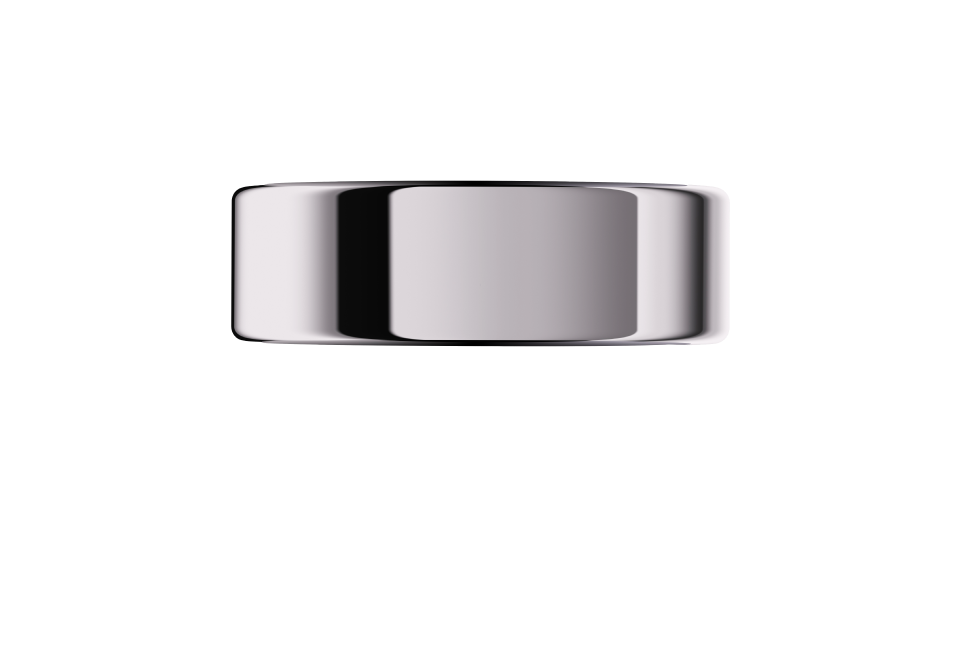
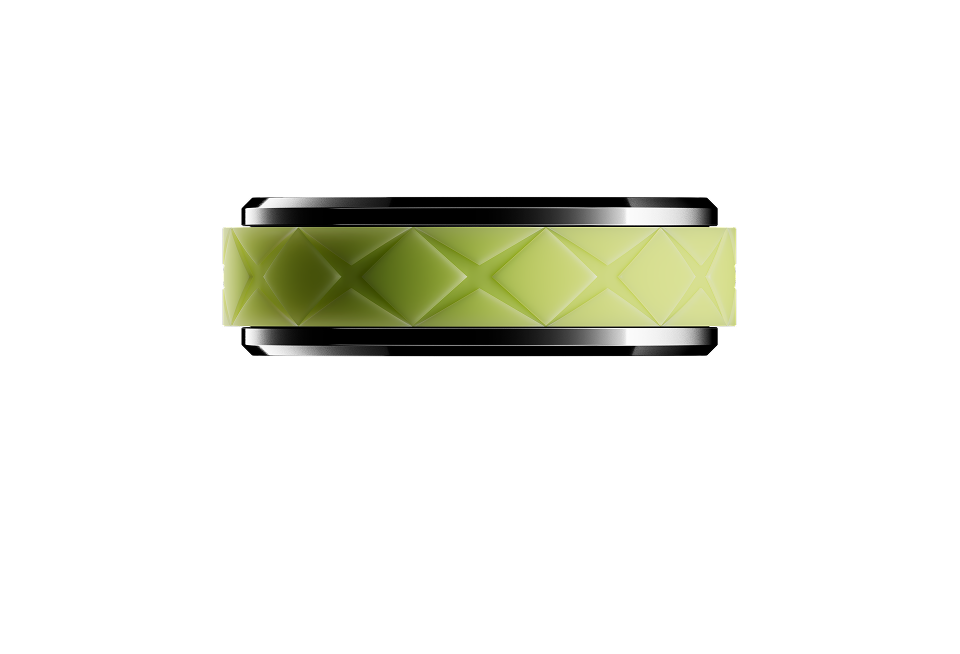
The Ultrahuman Ring AIR prioritizes a slimmer profile that feels almost unnoticeable during workouts and sleep. The CUDIS 002 Classic Ring has a slightly more substantial feel and resembles a traditional ring, making it a better fit if you prefer a classic jewelry appearance.
Overall, both rings are comfortable for everyday wear. The choice comes down to whether you value the lightest possible design (Ultrahuman) or a more traditional look with longer battery life (CUDIS).
The CUDIS Difference: Simple Daily Guidance
Our CUDIS 002 Classic Ring stands apart from the Ultrahuman Ring AIR by focusing on simple daily guidance rather than a dense analytics workspace. The ring is designed to make consistent wear feel easy, with sleep, recovery and activity signals organized into a clear daily view.
The CUDIS app supports daily engagement by turning biometric trends into practical next steps. Instead of asking you to configure multiple add-ons, it helps you understand whether your body is ready for training, recovery, or a lower-intensity day.

This guidance layer adds value beyond hardware specs. The CUDIS 002 Classic Ring already carries no monthly subscription fee, so the cost-of-ownership advantage is real from day one. Consistent use compounds that advantage by making your sleep, HRV, and recovery patterns easier to act on over time.
Ultrahuman's ring delivers strong analytics and a capable app, especially for people who want deeper configuration. CUDIS keeps the experience more direct: collect the key signals, interpret them clearly, and make the next health decision easier.
For shoppers weighing total value, not just upfront price, the difference comes down to simplicity. CUDIS is built for people who want core health insights, long battery life, and predictable cost without adding another subscription or complex app layer.
The Two Rings Compared, Ranked
Below, each ring receives its own breakdown covering standout strengths and the buyer it fits best. There are 2 rings evaluated here.
1. CUDIS 002 Classic Ring
Our CUDIS 002 Classic Ring is built for people who want a subscription-free smart ring with long battery life, strong core health metrics, and clean integrations with major health platforms, no extra plugins required. The CUDIS 002 Classic Ring product page gives you the current specs, colors, and purchase details in one place.
We designed the CUDIS 002 Classic Ring for full-week daily use, including sleep tracking, workouts, and desk-bound recovery days. With up to 10 days of battery life, CUDIS reduces the need for frequent charging and helps users maintain consistent tracking., which removed the low-battery anxiety that interrupts continuous sleep data collection. The form factor is built to stay unobtrusive during weight training and typing, with no snagging and no pressure points.
The app experience is direct. Health data surfaces in a clean dashboard without requiring you to configure third-party PowerPlugs or navigate a plugin ecosystem. If you want to open the app and read your recovery score without setup friction, the CUDIS 002 Classic Ring delivers that immediately.
The decisive financial differentiator is the $349 upfront price with no monthly subscription fee. The full feature set is accessible from day one at no recurring cost, so the total ownership picture tilts further in the CUDIS 002 Classic Ring's favor over time.
Ideal owner: A US buyer who prioritizes low total cost of ownership, values long battery endurance, and wants health data without subscription gates or app complexity.
2. Ultrahuman Ring AIR
The Ultrahuman Ring AIR targets users who want a slim, lightweight ring centered on metabolic and recovery analytics, and who are willing to engage with a richer, more configurable app environment.
In daily use, the Ultrahuman Ring AIR's weight is immediately noticeable, the ring disappears on the finger in a way that heavier rings do not. For users sensitive to wearable bulk, that physical experience is a genuine advantage. The app supports deeper engagement: people who invest time configuring PowerPlugs and exploring partner integrations access a broader data ecosystem than the default view provides.
Sleep staging and recovery scoring are detailed. The Ultrahuman Ring AIR surfaces metabolic score breakdowns and movement indexes that go beyond basic sleep phase reporting. People who want to cross-reference glucose data or connect specialized wellness partners may find the PowerPlugs architecture accommodating.
The trade-off is complexity. Extracting full value from the Ultrahuman Ring AIR requires active app management. People who want passive, low-friction health monitoring may find the configuration layer an obstacle rather than a feature.
Ideal owner: A user who wants a featherweight ring, values metabolic and recovery depth, and actively engages with app customization and third-party integrations.
CUDIS Ring vs Ultrahuman Ring AIR: Who Should Choose Which?
|
Buyer Type |
Choose CUDIS 002 Classic Ring |
Choose Ultrahuman Ring AIR |
|
Best for |
Everyday health tracking with AI coaching and no subscription |
Advanced metabolic and recovery tracking |
|
Ideal user |
Users who want simple, actionable health insights |
Users who enjoy exploring detailed health data |
|
Battery preference |
Up to 10-day battery life with less frequent charging |
Slim design with shorter charging cycles |
|
App experience |
Clean dashboard with AI recommendations |
Data-rich app with customizable PowerPlugs |
|
Integrations |
Native support for Apple Health, Google Health, Strava, and MyFitnessPal |
Best for users already invested in the Ultrahuman ecosystem and partner integrations |
|
Cost of ownership |
Fixed one-time purchase with no optional paid features |
One-time purchase with optional paid PowerPlugs |
|
Unique advantage |
CUDIS Rewards program that incentivizes healthy habits |
Lightweight design and deeper metabolic analytics |
Choose the CUDIS 002 Classic Ring if you want a subscription-free smart ring with long battery life, AI-guided insights, and seamless integration with major health platforms. It is best suited if you value simplicity, predictable ownership costs, and everyday wellness tracking. Readers comparing broader wearable options can also review smart ring for men picks before choosing a final model.
Choose the Ultrahuman Ring AIR if you prioritize a lightweight design, advanced metabolic and recovery analytics, and a highly customizable app experience. It is a better fit if you enjoy diving into detailed health data and building a broader wellness ecosystem.
Switching From Ultrahuman to CUDIS (or Vice Versa)
Switching between the CUDIS 002 Classic Ring and the Ultrahuman Ring AIR requires starting a new health baseline, as neither platform supports transferring historical health data between ecosystems.
Before using either ring, you'll need to complete a new sizing process and allow the app about 1–2 weeks to build personalized baselines for metrics such as HRV, sleep, and recovery.
The biggest trade-off is ecosystem lock-in. Switching from Ultrahuman means losing access to PowerPlugs and partner integrations, while switching from CUDIS means moving away from our simpler subscription-free dashboard. Your historical health data remains in the original platform and cannot be migrated.
Frequently Asked Questions
Is the CUDIS Ring or the Ultrahuman Ring AIR cheaper overall once you factor in subscriptions?
Overall, they cost about the same: both the CUDIS Ring and Ultrahuman Ring AIR are priced at approximately $349, and neither requires a recurring subscription fee. Therefore, over one year or several years, the total cost is essentially equal before discounts, taxes, shipping, or optional accessories. Shoppers who previously compared either ring against the Oura Ring, which charges a recurring monthly fee, find both CUDIS and Ultrahuman more affordable on a multi-year horizon.
Does the CUDIS Ring require a monthly subscription?
The CUDIS Ring requires no monthly subscription. Full access to health tracking, sleep data, and AI guidance is included in the purchase price. This subscription-free model is a structural feature of the CUDIS ownership design, not a promotional offer.
Which ring has longer battery life, CUDIS or Ultrahuman?
Battery life figures for both rings are available in the spec table above. In daily use, both rings delivered multi-day charges that eliminated the need for nightly removal, a practical advantage shared by the smart ring form factor over smartwatches.
Are CUDIS and Ultrahuman smart rings accurate for sleep and HRV tracking?
Both rings use photoplethysmography (PPG) sensors to measure heart rate variability and derive sleep stage estimates. Consumer-grade PPG rings produce sleep staging that diverges from polysomnography lab results. In daily use, both devices are designed to track trends in metrics such as HRV and sleep patterns rather than provide medical-grade measurements. For a deeper explanation of the sensors and data flow behind the CUDIS experience, the smart ring technology overview covers how the system works.
What do people say when comparing the CUDIS Ring and Ultrahuman Ring AIR?
Wearable discussions consistently highlight 3 recurring themes: Ultrahuman's app depth and PowerPlugs ecosystem, the absence of a subscription on both rings, and CUDIS's simpler approach to everyday health guidance. Ultrahuman users frequently cite metabolic analytics as a reason to stay on that platform.
How does the CUDIS Ring compare to the Oura Ring instead of Ultrahuman?
The Oura Ring charges a monthly subscription fee, which the CUDIS Ring does not. Oura's sensor suite and sleep algorithm have a longer public research track record. Shoppers choosing between CUDIS and Oura weigh Oura's established accuracy data against CUDIS's zero ongoing cost and direct access to health insights, a trade-off the CUDIS Ring wins on total cost of ownership for budget-conscious buyers. For another competitor angle, the CUDIS smart ring vs Dreame smart ring comparison covers a newer AI-ring rival.
Share:
CUDIS Review 2026: Is the CUDIS Smart Ring Worth Buying?
Is CUDIS Legit? CUDIS Smart Ring Reviews, Privacy, and Pricing