

Key Takeaways
1. Overnight SpO₂ — an estimate of blood oxygen saturation from your wearable — can offer clues about nighttime oxygenation and breathing stability.
2. A brief dip isn’t usually worrisome: watch for repeated drops or a downward trend in overnight SpO₂.
3. Obstructive sleep apnea (OSA) can cause oxygen dips and fragmented sleep, which may leave you feeling unrefreshed.
4. Factors like excess weight, alcohol consumption, nasal congestion, and smoking can increase your risk of OSA.
5. Managing weight, drinking less alcohol, improving nasal airflow, and sleeping on your side may help keep overnight breathing and oxygen saturation levels more stable.
5 Min Read
For many people, the first thing they do when they wake up is check how long they slept.
Even after 7 or 8 hours of sleep, you may still wake up feeling unrefreshed. The reason may not only be how much deep sleep you got, but also what happened to your overnight SpO₂.
SpO₂ isn’t a number meant to create anxiety.
It works more like a nighttime breathing signal: an occasional dip may simply come from sleep position, nasal congestion, or a loose wearable.
If dips happen frequently, it may be worth checking whether you may be experiencing low oxygen saturation, snoring, or sleep apnea.
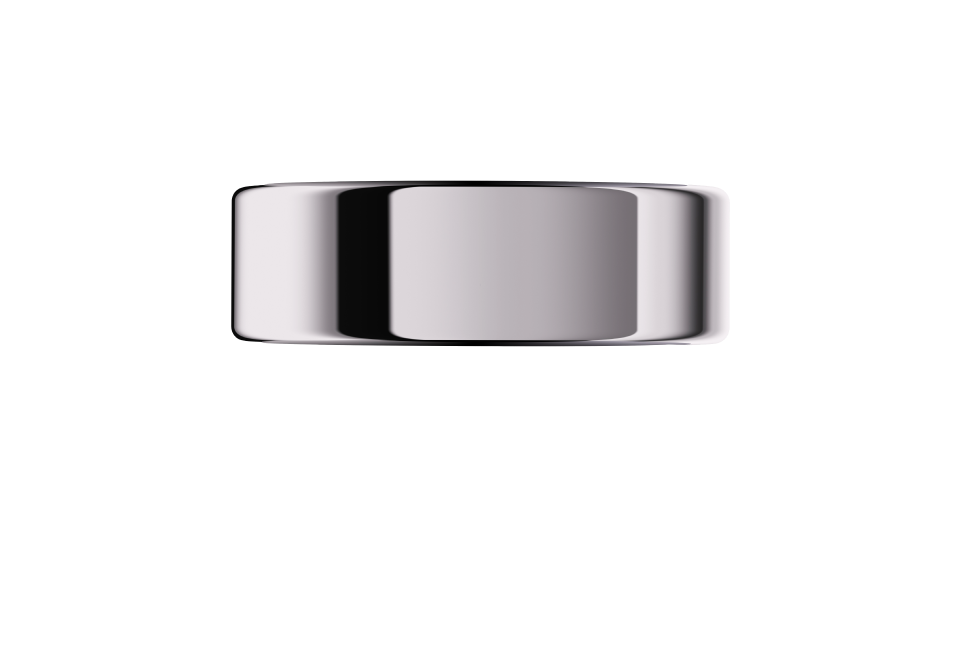
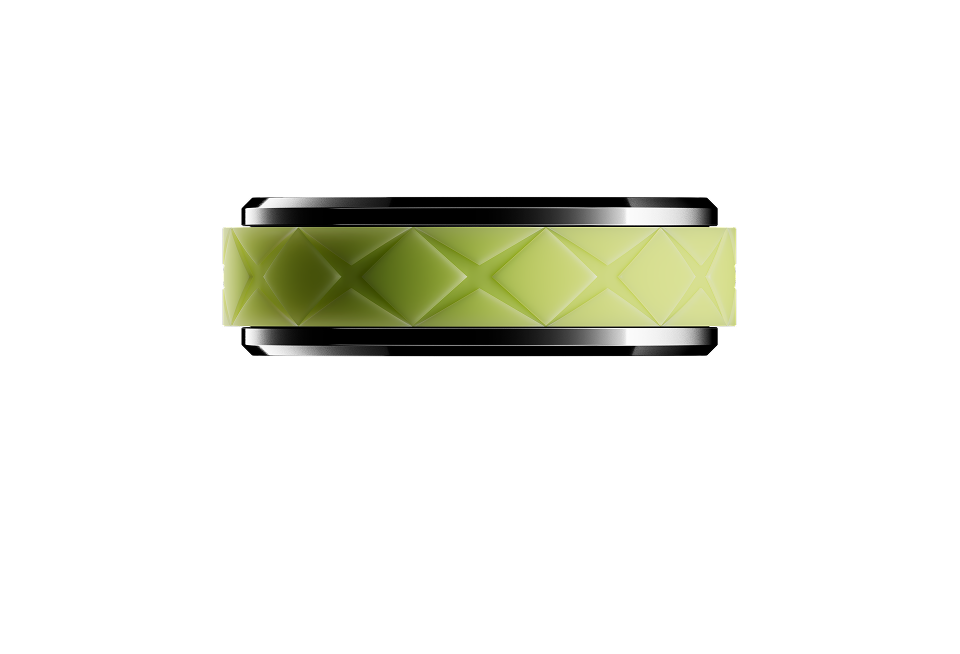
The CUDIS Ring isn’t a medical device, but it can help you notice one more signal: whether your breathing stayed steady while you slept.
A Quick Guide to SpO₂
In the CUDIS app, this metric appears as Blood Oxygen Saturation. Throughout this article, we use SpO₂ to refer to the wearable-estimated percentage of hemoglobin carrying oxygen. For most healthy adults, a typical normal range is about 95%–100%.
Small nighttime fluctuations in SpO₂ are common. Body movements during sleep, nasal congestion, allergies, or changes in skin perfusion may cause temporary dips.
That’s why a single reading doesn’t tell the whole story. What really matters is how it stacks up against your personal baseline and the overall long-term trend.
What deserves more attention is repeated nighttime drops, a long-term decline below your personal baseline, or SpO₂ changes that come with daytime sleepiness, morning headaches, lower HRV, or a higher RHR.
SpO₂, OSA, and Sleep Quality
Overnight SpO₂ drops are often not isolated. They can appear in the context of breathing instability during sleep.
OSA is one of the most typical examples: repeated airway narrowing or collapse during sleep can lead to apnea, hypopnea, oxygen drops, or breathing-related arousals, which may interrupt sleep continuity.
Just as the body is moving into deeper recovery, the airway may narrow or collapse, breathing may pause, oxygen may drop, and the brain briefly wakes the body up to restore airflow.
Once or twice, you may not notice it.
But if it happens repeatedly throughout the night, sleep can feel like a film cut into pieces. In the morning, you may wake up feeling as if you slept, but never really recharged.
A study published in Sleep Medicine Research analyzed overnight polysomnography (PSG) data from 589 patients with OSA.
When researchers grouped patients by their apnea-hypopnea index (AHI), they found that patients with severe OSA had a significantly lower proportion of slow-wave sleep (SWS).
The study also found that lower minimum oxygen saturation levels were associated with even less SWS in these OSA patients (Norouzi et al., 2023).
SWS is the body’s deepest recovery window. If SWS is repeatedly disrupted, you may wake up feeling tired regardless of how many hours of sleep you get.
Who Is at Higher Risk for OSA?
People who are overweight – especially after rapid weight gain – are at higher risk.
Fat around the neck and upper airway can make the airway smaller or more likely to collapse, causing snoring, hypopnea, and lower oxygen saturation during sleep.
In a study published in the Journal of Turkish Sleep Medicine, researchers analyzed sleep study results from 1,000 participants, examining the link between BMI (Body Mass Index), age, gender, and OSA markers.
The authors reported that, in this PSG-tested population, each 1-point increase in BMI was associated with about a 1.5-fold higher OSA risk (Yalım, 2021).
BMI compares weight to height; higher BMI often reflects a greater weight burden and may also reflect more fat around the neck and abdomen.
But BMI is not body fat percentage, and people with higher muscle mass can also have a higher BMI.
People who drink alcohol, especially those who drink before bed, may also have a higher risk of OSA.
A study published in the Irish Journal of Medical Science included 793 participants. After adjusting for age, BMI, coronary heart disease, and stroke, researchers found drinkers had approximately 2.03 times the odds of OSA. Former drinkers had a 1.96-fold greater risk, while current drinkers had a 2.22-fold greater risk.
Alcohol was also linked to a higher AHI, suggesting more frequent breathing interruptions during sleep and a greater chance of overnight oxygen saturation drops (Yang et al., 2022).
Older age is another important risk factor. Nasal congestion, rhinitis, and a history of smoking may also contribute to sleep-disordered breathing or be associated with higher OSA risk.
How to Keep Overnight Breathing and SpO₂ Levels More Stable
Keeping overnight oxygen saturation levels more stable starts with helping the body breathe more smoothly during sleep.
Try making these simple practical changes – sleep position, nasal airflow, and room humidity – to make breathing easier.
If you have recently gained weight, try gradually moving back toward a more comfortable range.
Avoid using alcohol as a sleep aid, especially before bed.
Address allergies, nasal congestion, or mouth-breathing to improve sleep quality.
For some people, especially those with position-related snoring or OSA, sleeping on the side may reduce snoring and help the upper airway stay more open.
Keep to a steady sleep schedule.
If you snore nightly, wake up gasping, feel sleepy during the day, or notice repeated overnight oxygen saturation drops, you should receive an early medical evaluation instead of only relying on lifestyle changes.
Step-by-Step Guide
SpO₂ is a sensitive metric that can be affected by your physical state and how you take the measurement. CUDIS shows your latest SpO₂ reading on the dashboard and tracks weekly and monthly averages. Open “Blood Oxygen Saturation” to view trends.
These data are intended for daily wellness trend tracking only. They should not be used for diagnosis, treatment, or as a substitute for medical advice.
References
Norouzi, E., Zakei, A., Bratty, A. J., & Khazaie, H. (2023). The relationship between slow wave sleep and blood oxygen saturation among patients with apnea: Retrospective study. Sleep Medicine Research, 14(3), 149–154. https://doi.org/10.17241/smr.2023.01725
Yalım, S. D. (2021). The impact of age, gender and body mass index on the polysomnography variables. Journal of Turkish Sleep Medicine, 8(2), 159–165. https://doi.org/10.4274/jtsm.galenos.2021.47966
Yang, S., Guo, X., Liu, W., Li, Y., & Liu, Y. (2022). Alcohol as an independent risk factor for obstructive sleep apnea. Irish Journal of Medical Science, 191, 1325–1330. https://doi.org/10.1007/s11845-021-02671-7


