


Night sleep deep, or slow wave sleep, is necessary for recovery, learning, and wellbeing. Many individuals find deep sleep is insufficient, feeling unrefreshed and not in their best judgment. CUDIS Wearables will help you by discovering habits and improving your life.
Why Deep Sleep Matters for Your Health
Deep sleep is the stage of sleep where the body performs its most essential recovery functions. During this phase, brain activity slows significantly, allowing the body to focus on physical repair, tissue regeneration, and overall restoration.
Because of this deep recovery process, sufficient deep sleep is associated with:
-
Improved memory and learning ability
-
Stronger immune system function
-
Better mood stability and emotional regulation
-
Long-term cardiovascular and metabolic health support
Deep sleep is also an important indicator of overall recovery status. In addition to sleep stages, metrics like heart rate variability (HRV) can provide further insight into how well your body is recovering from stress and daily strain.
To learn more about recovery tracking, see How to Improve HRV.
Benefits for Longevity
Consistent deep sleep is associated with stronger physical health, sharper cognition, and steadier mood. Ongoing shortfalls in restorative sleep can accumulate as sleep debt, while persistent deficits in slow-wave sleep may affect long-term cardiovascular and metabolic health.
Key Sleep Stages
Your sleep cycle moves through light sleep, deep sleep (SWS), and REM. Each stage plays a distinct role: light sleep helps you transition, deep sleep handles physical repair, and REM supports emotional processing and learning.
Deep Sleep (SWS)
Deep sleep shows slow brain waves and is the phase when tissue repair, muscle recovery, and immune support happen. Maintaining adequate SWS helps sustain daytime energy and cognitive function.
REM Sleep
REM (Rapid Eye Movement) sleep fuels dreaming, emotional regulation, and memory integration. Balanced time in both REM and SWS is important for full restoration.
Light Sleep
Light sleep is fragile and easily interrupted by noise or light. Improving bedroom conditions reduces awakenings and protects your deeper stages.

Natural Methods to Increase Deep Sleep
If you're wondering how to increase deep sleep naturally, the good news is that several evidence-based lifestyle changes can help improve slow-wave sleep (SWS). While there is no single solution that works for everyone, consistently applying the habits below can help your body spend more time in its most restorative sleep stage.
1. Maintain a Consistent Sleep Schedule
One of the most effective ways to increase deep sleep is to go to bed and wake up at the same time every day, including weekends.
A consistent schedule helps regulate your circadian rhythm, making it easier for your body to enter and maintain deeper sleep stages throughout the night. If your current schedule is irregular, these practical steps can help you reset your circadian rhythm.
2. Reduce Blue Light Exposure Before Bed
Exposure to blue light from phones, tablets, and computers can suppress melatonin production and delay sleep onset.
To support deeper sleep, try limiting screen time for at least one hour before bedtime or use blue-light-reducing settings in the evening.
3. Create a Relaxing Bedtime Routine
Your brain responds well to consistent cues that signal sleep is approaching.
Activities such as reading, meditation, gentle stretching, breathing exercises, or light yoga can help calm the nervous system and prepare the body for restorative sleep.
4. Optimize Your Sleep Environment
Your bedroom environment plays a major role in sleep quality.
To support deep sleep:
-
Keep the room cool
-
Minimize noise
-
Block excess light
-
Invest in a comfortable mattress and pillow
Even small environmental improvements can reduce nighttime awakenings and protect deep sleep cycles.
5. Exercise Regularly
Regular physical activity has been associated with better sleep quality and increased slow-wave sleep.
Moderate exercise performed earlier in the day may be particularly beneficial. However, intense workouts too close to bedtime may make it harder for some people to fall asleep.
6. Limit Caffeine Later in the Day
Caffeine can remain active in the body for several hours and may interfere with your ability to enter deeper sleep stages.
If you are struggling with low deep sleep, consider reducing caffeine intake during the afternoon and evening.
7. Avoid Alcohol Before Bed
Although alcohol may help you fall asleep faster, it often disrupts sleep architecture and can reduce the amount of restorative deep sleep you get later in the night.
Reducing alcohol consumption before bedtime may improve overall sleep quality.
8. Manage Stress Levels
Chronic stress is one of the most common reasons people experience poor sleep quality.
Stress management techniques such as mindfulness, meditation, journaling, and breathing exercises may help lower nighttime arousal and support deeper sleep.
Impact of Lifestyle and Environmental Factors
Age, stress, light exposure, and noise strongly shape deep sleep. Older adults often see reduced SWS, and chronic stress or disruptive environments can cause insomnia. Targeting stress management, light control, and sound reduction helps restore restorative sleep. Learn more in our article about waking easily when disturbed doesn’t always mean poor sleep.
Natural Sleep Aids
Some over‑the‑counter and environmental aids can support deeper sleep:
- Magnesium: May promote relaxation and improve sleep quality for some people.
- Weighted Blankets: Gentle pressure can reduce nighttime anxiety and improve comfort.
- Calming Environments: Soothing scents (for example, lavender) and a predictable pre‑sleep routine help you relax before bed.
Compounds such as l‑theanine appear in research as supporting deeper, higher‑quality sleep for some users.
L‑Theanine for Deeper Natural Sleep
This review finds l‑theanine to be a generally safe natural sleep aid, with study participants experiencing deeper or higher‑quality sleep after use.
In search of a safe natural sleep aid, 2015
For practical guidance on minerals and sleep, the Sleep Foundation is a useful resource.
Wearable Technology for Deep Sleep Monitoring
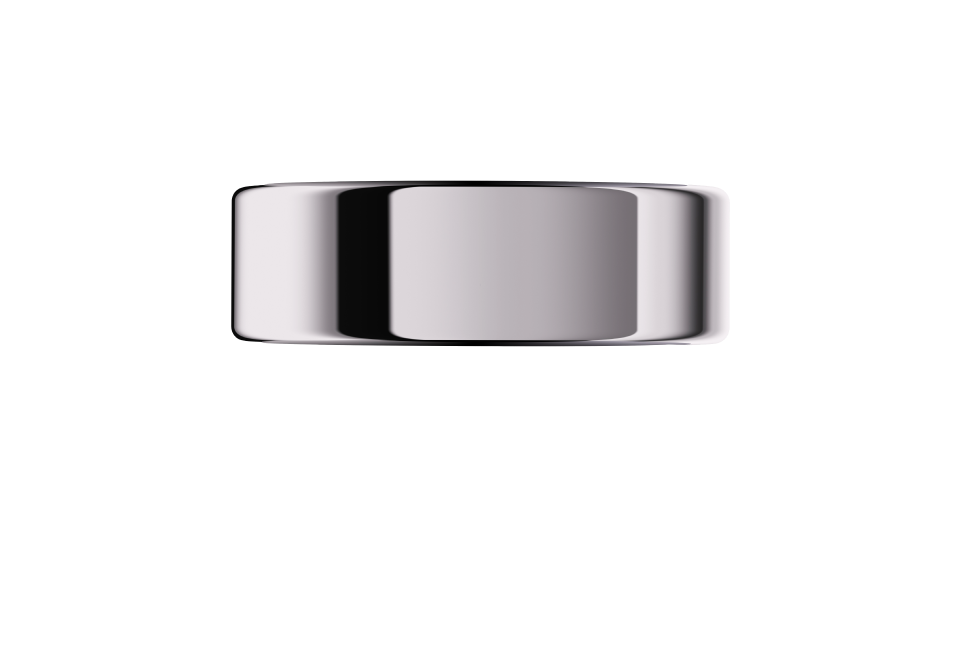
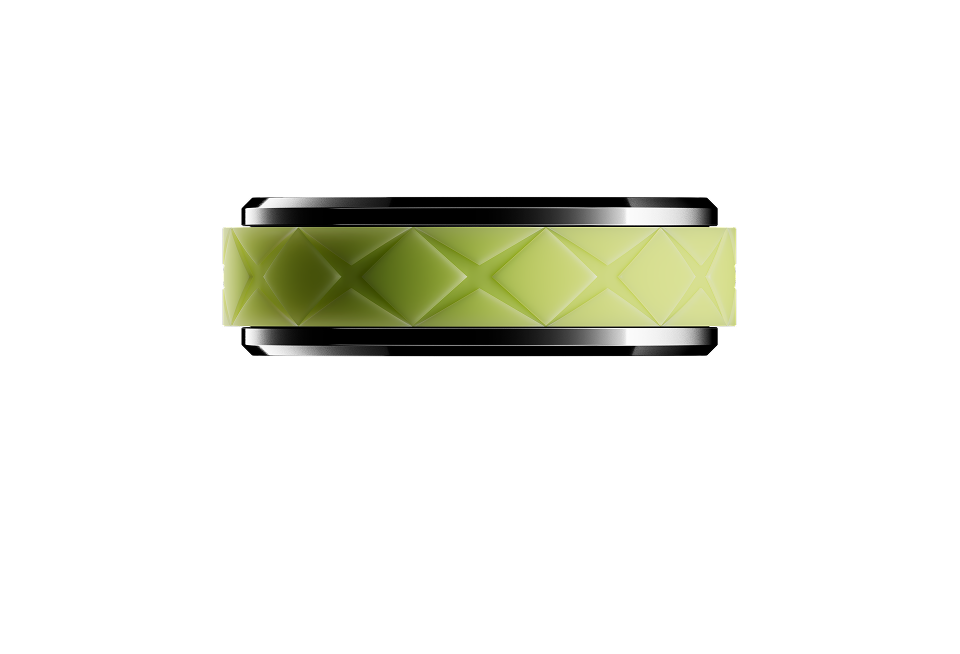
Wearables like the CUDIS smart ring track sleep stages and reveal patterns you might miss. Reliable stage data and trend reports help identify behaviors that reduce SWS and suggest targeted changes to improve restorative sleep. For overnight comfort, some sleepers may prefer the CUDIS smart ring sleep tracker, while users who want a more active all-day fit may lean toward the CUDIS smart fitness ring.

Learning how to increase deep sleep is easier when you can accurately track your sleep patterns over time.
Wearables such as the CUDIS smart ring monitor key sleep metrics, including:
- Deep sleep duration
- REM and light sleep stages
- Sleep consistency
- Recovery trends
- Heart rate variability (HRV)
By identifying which habits are associated with better sleep quality, users can make informed lifestyle adjustments and monitor improvements over time. The companion app makes it easier to understand sleep insights in the app, including sleep stages, consistency, recovery patterns, and long-term trends.
Features such as continuous overnight monitoring, sleep-stage tracking, and personalized insights help transform sleep data into actionable recommendations. Rather than guessing what affects recovery, users can better understand the factors that support deeper, more restorative sleep.
Frequently Asked Questions
Why am I not getting enough deep sleep?
The most common reasons for poor deep sleep are high stress levels, inconsistent sleep schedules, too much screen time before bed, and disturbances in the sleep environment, such as noise, light, or uncomfortable temperature. Certain medical issues and the use of particular drugs can decrease slow-wave sleep (SWS), particularly in older individuals. Enhancing sleep hygiene and minimizing stimulation at night are generally the most helpful initial strategies.
What habits can help increase deep sleep naturally?
There are several behaviors that can help with improved sleep. Going to bed at the same time every night and waking up at the same time in the morning helps the body’s circadian rhythm, which influences sleep. Doing morning workouts, cutting down caffeine and having a heavy meal at night, and practicing calming strategies like meditation or breathing exercises are all ways to boost the amount of slow-wave sleep. They all can be utilized to assist in the falling into slow-wave sleep.
Do sleep trackers actually help improve deep sleep?
Sleep trackers do not promote deep sleep but indirectly help improve sleep quality by increasing awareness of sleep habits and identifying negative sleep influences.
Wearables such as the CUDIS Wearable provide insights into sleep cycles and patterns, allowing individuals to monitor their daily activities and their effects over days or weeks on recovery. This can help inform choices and improve sleep habits.


