

Key Takeaways
1. Taking a short nap during the day can restore focus, boost mood, and sharpen thinking.
2. A 20–30-minute nap is a practical sweet spot for most people; 30 minutes may support memory, but it can also bring brief post-nap grogginess.
3. Nap earlier in the afternoon, not later. Napping too close to bedtime can reduce your nighttime sleep drive, making it harder to fall asleep and stay asleep through the night.
4. Your CUDIS Ring provides context through trends in your HRV, RHR, and Sleep Score to help guide your decision.
5. Evaluate your sleep quality along with stress, recovery, and breathing trends.
5 Min Read
That familiar afternoon energy dip isn’t always your fault.
It might result from a restless night, a demanding morning, sore muscles after yesterday’s workout, or simply the natural ebb and flow of your body’s internal clock. If irregular sleep times are making daytime fatigue worse, these practical steps can help you reset your circadian rhythm.
Many people reach for another coffee, but often your brain just needs a short rest to reset rather than more stimulation.
A 20–30-minute power nap is an efficient energy booster for the day. It won’t fully restore your energy, but it can improve concentration, lift mood, and reduce fatigue.
Why Napping Works
The most obvious benefit of napping is that it combats feelings of sleepiness.
The longer you’re awake, the more sleep pressure builds in your brain as adenosine accumulates. That’s when you zone out, react slower, and reread the same page on loop.
A brief nap can reduce feelings of tiredness, curb mental fatigue and enhance your ability to pay attention.
For those of us who still have proposals to finish, workouts to get through, or long hours of focused work ahead in the afternoon, a short nap isn’t slacking off—it’s a gentle, no-fuss way to give your brain the break it deserves.
If you experience grogginess, wait a few minutes before driving.
A narrative review published in Annals of Medicine and Surgery summarized studies investigating the impact of daytime naps on various functions.
It suggested that napping may support alertness, declarative memory, learning, and emotional well-being—helping explain why a quick nap can turn your afternoon around. Additional studies should test long-term effects, optimal nap length, and differences by age and health status (Shadab et al., 2026).
Why Longer Naps Aren’t Always Better
Short naps help, but longer ones have two big downsides.
Waking from deeper NREM (non-rapid eye movement) sleep, especially slow-wave sleep, can increase the chance of sleep inertia – a groggy, slow-to-start feeling.
In a study published in Sleep, 32 young adults who regularly took short naps were assigned to one of four groups: no nap, 10-minute nap, 30-minute nap, or 60-minute nap. All participants completed memory tests after their assigned nap (or no nap) period.
Results showed naps lasting 10 minutes up to an hour enhanced positive mood while decreasing feelings of sleepiness. However, only the 30-minute nap group showed a significant improvement in memory encoding compared to the no-nap group. Both the 30-minute and 60-minute naps caused sleep inertia, which wore off after 30 minutes.
Researchers concluded that a 30-minute nap may offer balanced benefits, although no single nap duration is best for everyone (Leong et al., 2023).
Frequent or late naps can disrupt nighttime sleep. Your ability to fall asleep at night is governed by a mechanism called sleep pressure, which accumulates slowly over the course of the day.
If you nap for too long or too late in the afternoon, your body may not have built up enough sleep drive by bedtime, making it harder to fall asleep or causing you to sleep more lightly.
Treat naps as a brief energy boost. 20–30 minutes is usually enough for most people to handle daily tasks. Set aside a few minutes to shake off grogginess if you have a meeting, drive, or workout right after waking up.
When Is the Best Time to Nap?
Think about how long your nap should be and when to take it.
It’s best to nap earlier in the afternoon—shortly after lunch, for example—rather than waiting until the evening.
The closer your nap is to your regular bedtime, the more it will reduce nighttime sleep drive.
Researchers conducted an 8-day actigraphy study of 62 people in Journal of Sleep Research. People were divided into two groups based on how long before their nighttime sleep they napped: early nappers (≥7 hours before bedtime) and late nappers (<7 hours before bedtime).
The results showed that napping less than 7 hours before bedtime was associated with longer sleep onset latency, more nighttime awakenings, and poorer overall sleep quality (Mograss et al., 2022).
Bottom line: nap earlier in the afternoon and keep naps brief.
How to Use CUDIS Ring to Help Decide Whether You Need a Nap Today
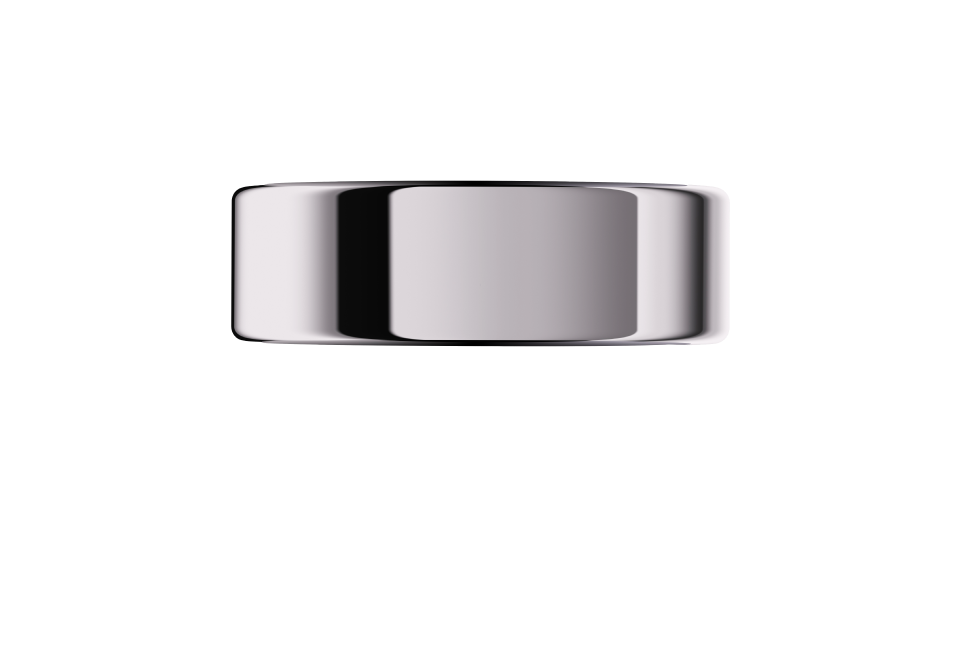
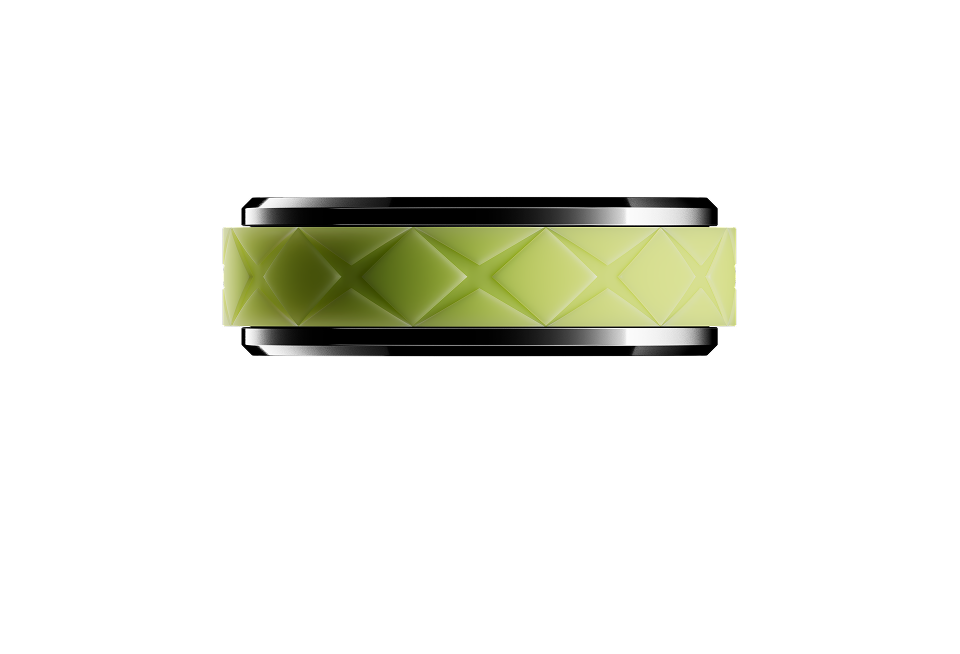
The CUDIS Classic Ring can provide additional context for understanding whether your afternoon fatigue may be related to a normal circadian dip, insufficient sleep, stress, or a greater need for recovery.
Start with HRV. If your HRV was below your recent baseline last night and you woke feeling sluggish, take a short 15–30-minute nap to aid recovery.
If RHR is elevated, it may signal stress, heavy training, drinking, late nights, or an infection. Rather than relying on coffee, spend twenty minutes resting.
Then review the sleep insights in the CUDIS app, including your estimated sleep stages and Sleep Score. If your Sleep Score is lower than usual or your estimated deep or REM sleep was reduced, that may help explain why you feel less refreshed.
A short nap may improve alertness, but it should not be treated as a direct replacement for poor nighttime sleep. If reduced restorative sleep is contributing to daytime fatigue, these practical strategies for how to increase deep sleep may help improve your nighttime routine.
The key to using your CUDIS Ring isn’t to get too hung up on one particular number. Instead of focusing on single data points, analyze trends across multiple metrics and consider whether your body appears to be working harder than usual; use the device for guidance, not as a medical diagnosis.
When Daytime Sleepiness Needs Attention
Feeling sleepy in the afternoon occasionally and waking up refreshed after a 20–30-minute nap is completely normal.
If you need long daily naps, still feel exhausted afterward, or are too sleepy to work, drive, or exercise, don’t assume it’s just lack of sleep.
Think about whether your sleep was disturbed last night. Ask yourself: Have I been consuming alcohol or caffeine late in the day, or staying up late?
If daytime sleepiness comes with loud snoring, gasping during sleep, morning headaches, or difficulty concentrating, see a doctor to rule out obstructive sleep apnea (OSA).
Snoring alone doesn’t mean you have OSA, but fatigue, breathing interruptions, and headaches warrant some attention.
Napping is a quick charger for your daytime energy. A short nap can restore alertness and offer an effective way to recover during the day.
But if you rely on it long-term to fix the gaps in your nighttime sleep, your body will eventually let you know: The issue is at night.
References
Leong, R. L. F., Lau, T., Dicom, A. R., Teo, T. B., Ong, J. L., & Chee, M. W. L. (2023). Influence of mid-afternoon nap duration and sleep parameters on memory encoding, mood, processing speed, and vigilance. Sleep, 46(4), zsad025. https://doi.org/10.1093/sleep/zsad025
Mograss, M., Abi-Jaoude, J., Frimpong, E., Chalati, D., Moretto, U., Tarelli, L., Lim, A., & Dang-Vu, T. T. (2022). The effects of napping on night-time sleep in healthy young adults. Journal of Sleep Research, 31(5), e13578. https://doi.org/10.1111/jsr.13578
Shadab, S., Khursheed, T., Raza, A. A., & Samadi, A. (2026). Optimizing cognitive health and emotional well-being through daytime napping: Current insights and future directions. Annals of Medicine and Surgery, 88(1), 357–361. https://doi.org/10.1097/MS9.0000000000003968


