


Smart rings have quietly become one of the more practical ways to track sleep, heart rate, and daily activity without wearing something bulky on your wrist. If you're new to the category, learn more about what is a smart ring, and how the technology works. Two names keep coming up: Oura, the established player that's been around for years, and CUDIS, the newer option that's been gaining attention for doing things a bit differently.
If you're trying to decide between them, the choice mostly comes down to how you feel about subscriptions and what kind of health insights you actually need.
Here's how they actually compare. If you are still exploring your options, visit our smart ring buying guides for more reviews and product comparisons.
What Each Smart Ring Gets Right
Oura and CUDIS both handle the basics: heart rate, HRV, blood oxygen, sleep tracking, and trend data over time. Either one is a step up from a basic fitness band if you want wearable data in a smaller package. They both track recovery, sleep, and activity patterns without getting in your way.
Oura goes deeper on interpretation. It layers your heart rate, HRV, blood oxygen, and temperature into Sleep, Readiness, and Activity scores. The sleep breakdown is granular, REM, deep, light stages, and that's part of why it's become popular with people who care about recovery. If you want to wake up and see not just how long you slept but how ready you might be for the day, Oura turns the raw data into something you can actually use.
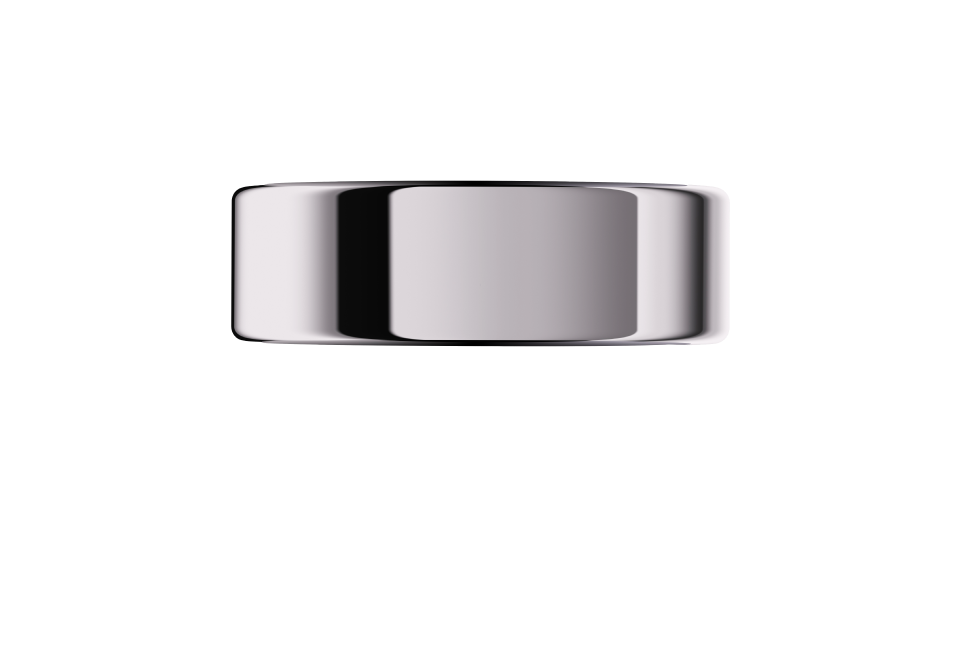
The hardware is solid: titanium, about a week of battery, waterproof to 100 meters. The catch is the cost. Around $300-350 upfront, plus $70 per year for the full feature set.
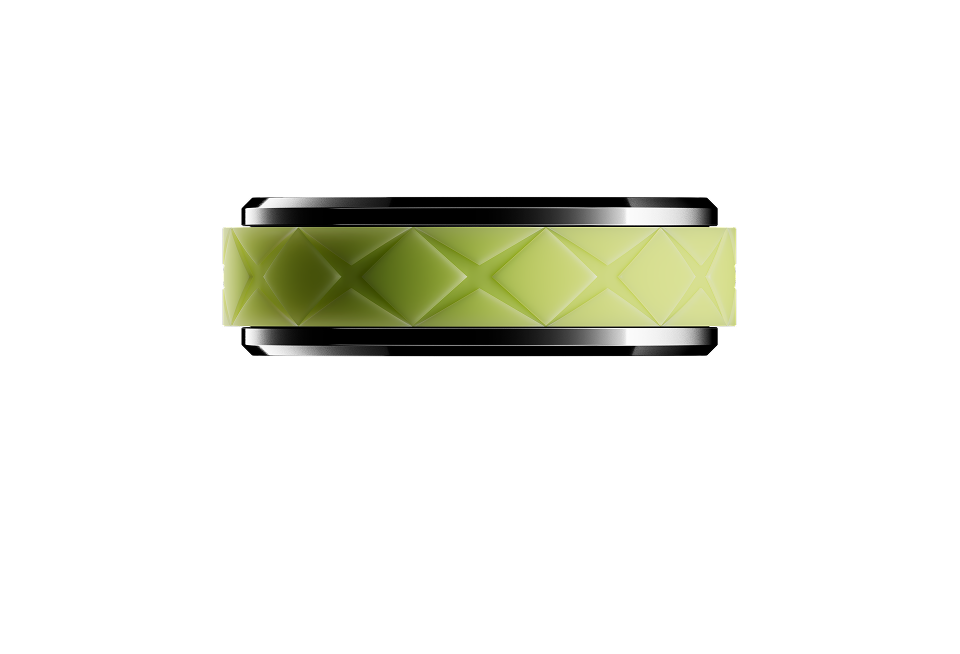
CUDIS gets different things right, and for many buyers those strengths will be just as compelling. It covers the essentials, including heart rate, blood oxygen, HRV, and sleep monitoring, while also tracking practical daily activity metrics such as steps, calories burned, and movement distance. Instead of leaning as heavily into layered scoring systems, it presents health data in a more straightforward way and adds an AI Coach experience for users who want lightweight personalized guidance without feeling overmanaged by the device. That simpler approach can actually be a benefit. Some people want clear daily feedback, long-term trends and actionable steps, but do not necessarily want a wearable assigning a recovery score to every morning. CUDIS also has some practical hardware advantages, including up to 10 days of battery life, 5ATM water resistance, and a titanium body paired with a silicone outer shell. The design is more customizable too, with 12 interchangeable color options, which gives it a more expressive feel than most health rings.
Another area where CUDIS will appeal to value-conscious buyers is pricing clarity. At $349 as a one-time purchase, with no subscription required, it is easier to budget for over the long term. The brand also emphasizes data ownership, which may matter to users who are more privacy-conscious or who simply dislike the growing subscription model in consumer health tech. So while Oura arguably offers the more polished analytics ecosystem, CUDIS makes a strong case by giving users solid wellness tracking, longer battery life, more customization, and a simpler ownership model. For a closer look at its comfort, app experience, health features, and overall value, read our detailed CUDIS Ring review.
If you want the most established interpretation layer and richer sleep and readiness insights, Oura still has an edge. If you want a capable sleep ring with strong core metrics, no recurring fee, and a more direct user experience, CUDIS gets a lot right too.
The Real Difference: How You Pay
This is where the two diverge significantly.
Oura charges around $300-350 for the ring itself, then $70 per year for full access to your data. Without the subscription you still get basic metrics but lose the detailed analysis and readiness scores that make Oura compelling in the first place. Over three years you're looking at roughly $550-600 total.
CUDIS offers a fitness ring without subscription. A flat $349 and that's it. No ongoing fees, no tiered access. You buy the ring, you get everything.
Whether that matters depends on your perspective. If you like Oura's detailed analytics and don't mind the subscription model, the extra cost might be worth it. If you prefer owning your device outright and knowing exactly what you spent, CUDIS's approach is more straightforward. Buyers considering another subscription-free alternative can also read our CUDIS vs Ultrahuman comparison.
There's also a data ownership angle that resonates with some people. With CUDIS your data stays yours without third-party dependencies. For privacy-conscious users that's a meaningful difference, even if the practical day-to-day experience looks similar.
What About the Extra Features?
Oura has been at this longer and has refined their recovery scoring over years of user data. Their readiness metric is genuinely useful if you train regularly and want guidance on when to push and when to back off.
CUDIS smart ring has a few things Oura doesn't. There's a point-based rewards and in-app store system that encourages consistent healthy habits, which some people find motivating. The community aspect is also stronger. Rather than just tracking in isolation, there's more of a sense of being part of something.
The security framework ensures your records stay protected and you have clear visibility into how your data gets handled. In practice most users won't interact with this directly, but it's part of why the ownership model works the way it does.
Which One Should You Actually Get?
Before buying, many users still ask what is a smart ring technology and whether it can really replace a watch. For most people, it's simply a lighter and more comfortable way to track health daily. Learn more about why people choose CUDIS, including its subscription-free model, personalized wellness guidance, lightweight design, and approach to data ownership.
Go with Oura if:
- You want detailed readiness scores and recovery guidance
- You don't mind paying annually for deeper analytics
- You've used their system before and like the specific insights they provide
Go with CUDIS if:
- You prefer buying once and owning outright
- You want solid tracking with personalized AI wellness solutions without paying ongoing fees
- Data ownership and privacy are priorities for you
- You want extra incentive for keeping up a healthy lifestyle and joining a supportive wellness community
Ready to make the switch? Check out the CUDIS Sporty Ring and see if it's the right fit for your lifestyle. You won't make a bad choice here. Oura has more history and deeper analytics. CUDIS offers similar core tracking without the ongoing cost and with stronger solutions.
If you're subscription-averse or privacy-focused, CUDIS is the obvious pick. If you want the most detailed recovery insights and don't mind paying for them, Oura still does that well.
FAQ
How long do these AI smart rings last?
Both companies offer warranties covering eligible manufacturing defects, although the exact terms and exclusions should be checked before purchase. For more information about CUDIS warranty, pricing, and legitimacy, see our detailed brand overview. The rings themselves are designed for everyday use, but their lifespan will depend on wear, charging habits, and how they are handled.
Do I need to pay for software updates?
No, both push updates through their apps at no extra cost. You'll want to keep the app current for the best experience.
Can I control what notifications I get?
Yeah, both apps let you customize alerts. Activity reminders, sleep insights, health nudges. You can dial it up or down depending on how much you want your ring talking to you.
Any issues with skin irritation?
Both use hypoallergenic materials, mostly titanium or medical-grade stainless steel. Problems are rare but if you have specific metal allergies, check the specs before buying.


