

The smart ring category is moving beyond basic sleep scores. In 2026, new rings are competing on AI coaching, rewards, haptics, touch controls, NFC access, and proactive health support. Two names now standing out are CUDIS Smart Ring and Dreame Smart Ring.
Dreame attracted attention at CES 2026 with a ring concept centered on fingertip haptic feedback, AI interpretation, and discreet lifestyle controls. Its official CES blog introduced the Dreame AI Haptic Ring as a way to stay connected without distraction through subtle vibrations instead of screens. Dreame’s April 2026 “Dreame NEXT” event later expanded the story into a broader ring series, including AI Smart Ring, AI NFC Smart Ring, and Glow Ring variants.
CUDIS takes a different route. For consumers asking what does a smart ring do, the CUDIS 002 Classic and CUDIS 002 Sporty demonstrate how smart rings can combine sleep tracking, recovery monitoring, AI-powered coaching, healthy-habit rewards, data ownership, and zero subscription fees into a single wearable experience. They are designed around sleep, recovery, stress, activity, CUDIS Age, strain, community motivation, and personalized coaching.
Quick Comparison
|
Category |
CUDIS Smart Ring |
Dreame Smart Ring |
|---|---|---|
|
Core positioning |
AI wellness ring for sleep, recovery, training, rewards, and data ownership |
AI ring lineup focused on haptics, NFC access, health monitoring, and premium jewelry direction |
|
Current products |
CUDIS 002 Classic from $349 and CUDIS 002 Sporty from $399 |
Dreame AI Smart Ring, AI NFC Smart Ring, Glow Ring, and earlier AI Haptic / ECG concepts |
|
Health tracking |
Sleep, blood oxygen, HRV, stress, recovery, activity, strain, CUDIS Age, women’s health, and more |
Heart rate, blood oxygen, temperature, respiratory rate, sleep, activity, and ECG in some announced concepts |
|
AI experience |
AI Coach and AI Agent Coach for daily tasks, recovery protocols, supplement guidance, and wellness optimization |
AI models for mood, stress, health anomalies, and simplified insights |
|
Motivation model |
Health points rewards, in-app store, community, and leaderboards |
Haptic reminders for calls, alarms, messages, hydration, medication, sedentary behavior, and health alerts |
|
Subscription |
No subscription fees for core experience |
Pricing and subscription model not fully public at the time of writing |
Dreame vs CUDIS: Different Approaches to Smart Rings
Haptic Controls vs Wellness Optimization
Dreame is focused on creating a new interaction layer through haptic notifications, touch controls, and NFC-enabled experiences. Features such as vibration alerts and gesture-based controls are designed to help users stay connected without constantly checking a phone or smartwatch.
CUDIS takes a different approach. Instead of focusing on notifications and device control, the CUDIS 002 Classic and CUDIS 002 Sporty are designed around wellness optimization, including sleep tracking, recovery monitoring, stress management, and long-term health insights.
Health Tracking and Recovery Insights
Both smart rings support core health-monitoring features, but their priorities differ.
Dreame has highlighted metrics such as heart rate, blood oxygen, temperature, respiratory rate, and sleep tracking across its announced ring lineup.
CUDIS combines sleep tracking, blood oxygen monitoring, HRV tracking, resting heart rate monitoring, stress awareness, recovery insights, strain tracking, activity monitoring, and CUDIS Age. For users looking for a smart ring for sleep that also provides broader recovery and wellness insights, these metrics can help build a more complete picture of daily health trends.
AI Experience and Personalized Guidance
AI plays an important role in both ecosystems.
Dreame uses AI to simplify health information and support features such as smart alerts and wellness insights.
CUDIS focuses on turning health data into actionable recommendations. Through AI Coach and AI Agent Coach, users can receive personalized guidance related to sleep quality, recovery protocols, daily habits, fitness readiness, and long-term wellness goals.
Motivation and Habit Building
One of the biggest differences between the two platforms is how they encourage long-term engagement.
Dreame's ecosystem emphasizes convenience, notifications, and connected-device experiences.
CUDIS incorporates Health Points, community challenges, leaderboards, and wellness rewards designed to encourage consistent healthy behaviors. Rather than simply collecting data, the platform aims to help users build sustainable habits over time.
Availability and Long-Term Value
Dreame continues to expand its smart ring lineup, with some products still rolling out and certain details, including final pricing and subscription policies, remaining subject to change.
CUDIS is available today through the CUDIS 002 Classic and CUDIS 002 Sporty. In addition to offering AI-powered wellness features, CUDIS does not require a subscription for its core health-tracking experience, helping users better understand the long-term cost of ownership.
Smart Ring Design, Comfort, and Everyday Use
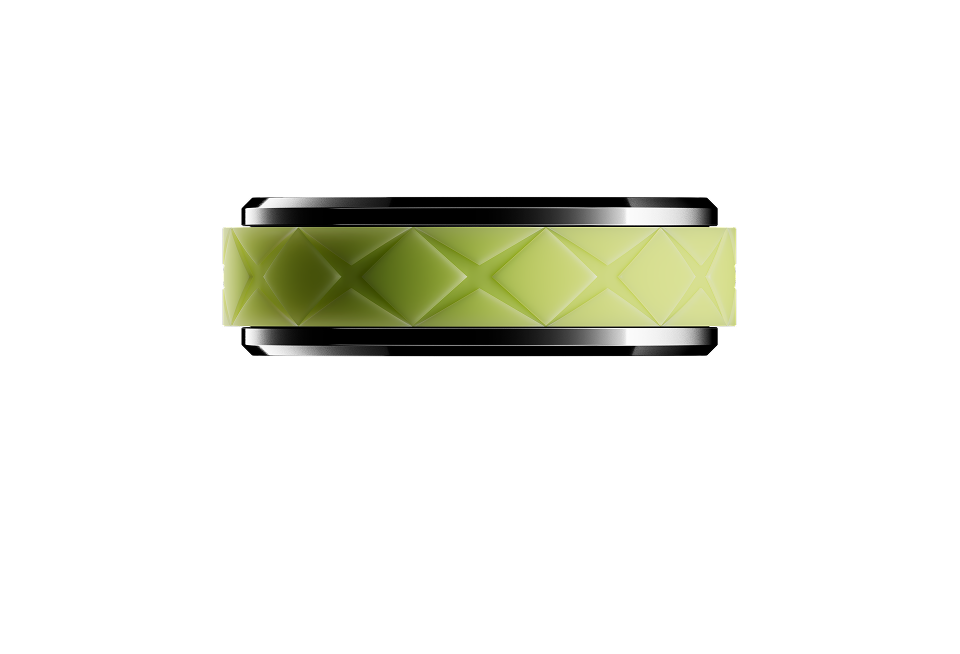
Both brands understand that a smart ring must first be a good ring. Dreame claims a 2.5 mm profile, titanium alloy outer ring, hypoallergenic epoxy resin inner ring, and weight as low as 2.6 g in its Dreame Ring series. Its future luxury direction may include 18K gold, Pt950 platinum, diamonds, and gemstones.
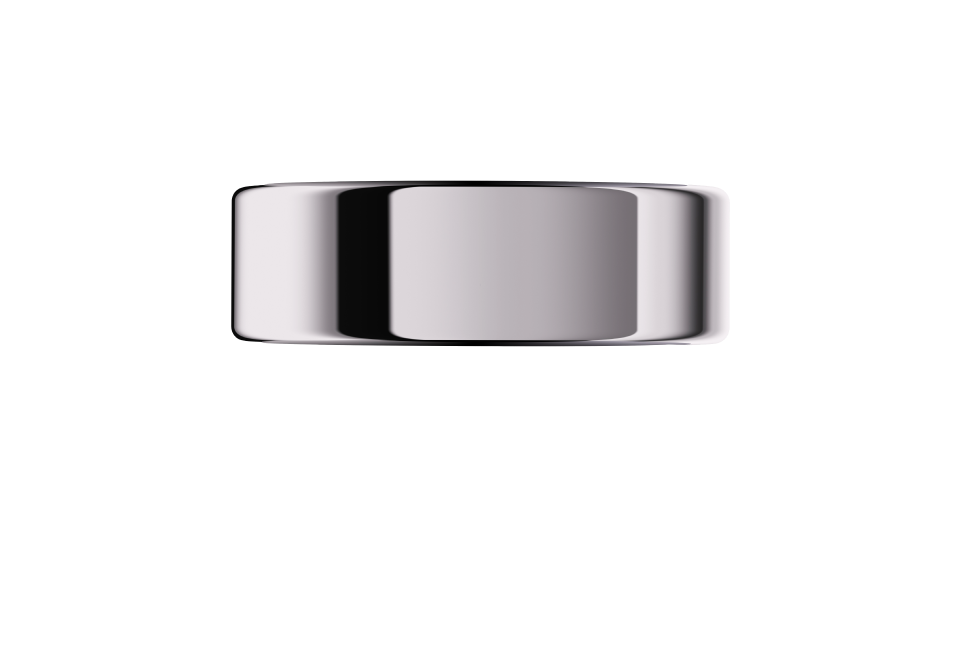
CUDIS emphasizes lightness, durability, and purpose-built design. The CUDIS 002 Classic uses full titanium construction, weighs 3 g, and offers up to 10 days of battery life, with a lightweight and minimal profile that may appeal to users looking for a more comfortable smart ring for women and everyday wear, especially those who prefer smaller and lighter wearable designs. The CUDIS 002 Sporty uses a titanium core with an abrasion-resistant silicone outer band and interchangeable color shells, making it especially relevant for users who train, swim, travel, and want their ring to match different styles.
For most buyers, the choice is not simply “which ring has more features?” It is “which ring fits my life?” Dreame’s haptics and touch controls are exciting for people who want discreet notifications and device control. CUDIS is more compelling for people who want a health companion that connects measurement, insight, action, motivation, and ownership.
In addition to core hardware design, some users also consider smart ring accessories such as charging docks, replacement bands, protective shells, and styling options to enhance comfort and personalization.
Data Ownership and Subscription Value
CUDIS places a strong emphasis on data ownership, transparency, and user control. Rather than treating health information as something users simply generate and leave behind, the platform is designed to give users greater visibility into their wellness data while supporting a more user-centric approach to digital health.
Another important advantage is cost predictability. For users seeking a smart ring without subscription, CUDIS provides its core health-tracking experience without recurring fees, allowing access to features such as sleep tracking, recovery insights, stress monitoring, AI coaching, and wellness analytics without additional monthly charges.
When comparing smart rings, long-term value extends beyond hardware alone. Factors such as software access, coaching features, wellness insights, community engagement, and ongoing costs can have a significant impact on the overall ownership experience.
Who Should Choose CUDIS Smart Ring?
CUDIS may be the better fit if you:
-
Prioritize sleep tracking and recovery insights
-
Want HRV and resting heart rate monitoring
-
Exercise regularly
-
Want personalized AI-powered wellness coaching
-
Prefer a subscription-free experience
-
Value habit building and rewards
-
Want long-term health optimization
Who Should Consider Dreame Smart Ring?
Dreame may be worth considering if you:
-
Want haptic notifications
-
Prefer touch gesture controls
-
Need NFC access functionality
-
Enjoy early-adopter technology
-
Prioritize device interaction over wellness coaching
FAQ
Is Dreame Smart Ring available now?
Dreame Smartlife states that AI Ring pre-orders start in June 2026, so availability appears to be rolling out after its CES and Dreame NEXT announcements.
What is the main difference between CUDIS and Dreame?
Dreame emphasizes haptic alerts, touch controls, NFC access, and premium form factors. CUDIS emphasizes AI coaching, sleep and recovery optimization, training insights, health rewards, data ownership, and no subscription fees.
Does CUDIS require a subscription?
No. CUDIS states that its core health tracking experience is available with zero subscription fees.
Which ring is better for fitness and recovery?
CUDIS 002 Sporty smart fitness ring is specifically positioned for training, swimming, endurance, sleep, recovery, strain, AI fitness coaching, and interchangeable sport-ready styling. Dreame also promises health tracking, but full long-term performance and availability details are still emerging.
Which ring has haptic alerts?
Dreame’s AI Haptic / AI Smart Ring concept is built around fingertip vibration alerts for notifications, reminders, alarms, and health alerts. CUDIS focuses instead on AI wellness guidance, rewards, and continuous health tracking.


