


Quick Verdict: The best fitness tracker in 2026 depends on what you want to track. Choose CUDIS 002 Sporty if you want a lightweight smart ring with AI coaching, recovery insights, sleep tracking, and no monthly subscription. Choose Apple Watch if you want a full smartwatch. Choose Garmin for serious outdoor training. Choose Oura for premium sleep and recovery analytics if you are comfortable with a subscription. Choose WHOOP if you want screenless coaching and do not mind a membership model.
Fitness trackers in 2026 are no longer just step counters. The best option depends on whether you care most about workouts, recovery, sleep, battery life, AI coaching, screenless wear, or avoiding monthly subscriptions. This guide compares the top fitness trackers, smart rings, and recovery wearables by best use case, subscription model, tracking strengths, and who should buy each one. For more ring-focused comparisons and product reviews, explore our smart ring buying guides.
|
Most suitable audience |
Product |
Wearable type |
Subscription? |
Best strength |
Watch out |
Best next step |
|
People who want a screen-free fitness tracker with no monthly subscription |
CUDIS 002 Sporty |
Smart ring |
No monthly fee |
AI coach, recovery, sleep, activity, 10-day battery |
Not a smartwatch replacement |
See CUDIS 002 Sporty |
|
iPhone users who want apps, notifications, and workout tracking on a watch |
Apple Watch |
Smartwatch |
No required health subscription |
Apps, notifications, workouts |
Shorter battery, more screen time |
Compare smartwatch vs ring |
|
People who want deeper sleep/readiness analytics and accept a paid subscription |
Oura Ring 4 |
Smart ring |
Paid subscription |
Sleep and readiness analytics |
Monthly fee |
Compare subscription cost |
|
Outdoor athletes who need GPS, sport modes, and training data |
Garmin Venu |
Watch |
Mostly no subscription |
GPS, sport modes, training |
Bulkier than rings |
Check sport modes |
|
People who want screenless strain/recovery coaching and accept membership |
WHOOP |
Band |
Membership model |
Strain/recovery coaching |
Subscription required |
Compare monthly cost |
|
Budget-conscious users who want basic fitness tracking in a band |
Fitbit Charge |
Band |
Optional premium |
Affordable tracking |
Less premium design |
Check core features |
1. Apple Watch Series 11: The Best Smartwatch for iPhone Users
If you're all-in on Apple, the Apple Watch Series 11 is still the smartwatch to beat. Apple built this version around broader health tracking, and one of the headline additions is hypertension notifications powered by advanced machine learning that looks for patterns linked to high blood pressure.
Apple Intelligence also powers the new "Workout Buddy" feature, which gives you personalized audio coaching while you train. Safety remains one of Apple's strongest advantages too, with dependable Fall Detection and Crash Detection. It still looks and feels like a classic smartwatch, but the display is brighter and tougher than before.
However, it's not without flaws. Despite its 24-hour battery life, you'll still need to charge it daily, which can interfere with sleep tracking consistency. And if you want something subtle, the watch form factor still feels noticeably bulkier than a ring.
|
Feature |
Specification |
|---|---|
|
Form Factor |
Smartwatch |
|
Battery Life |
Up to 24 hours |
|
Subscription |
Apple Fitness+ (Optional) |
|
Key Differentiator |
Hypertension Notifications, Ecosystem Integration |
|
Starting Price |
$399 |
2. CUDIS 002 Sporty: The Most Innovative Smart Ring
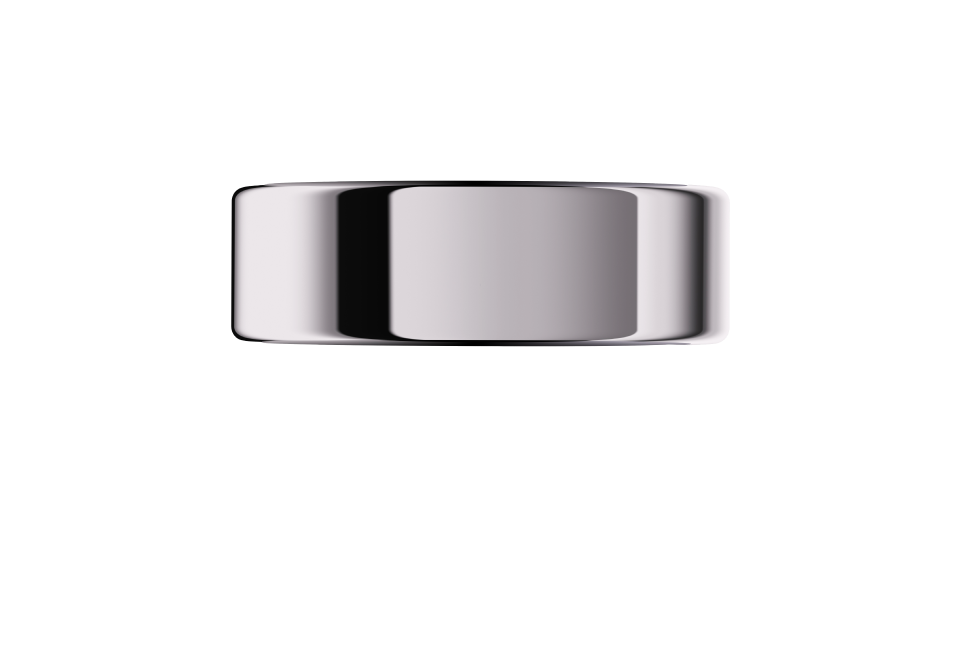
The CUDIS 002 Sporty sets a new standard in the smart ring category by going beyond passive tracking. Rather than just showing raw numbers, it pairs biometric data with an advanced personalized AI coach that turns complex metrics into customized, actionable guidance. The aerospace-grade titanium build weighs just 3 grams, so it's light enough for true 24/7 wear, which matters a lot for reliable sleep tracking.
A standout feature of the CUDIS Sporty Ring is its approach to motivation. It comes with a built-in Health Point Store, letting users earn rewards for healthy routines and redeem those points for wellness products. Just as important, there are no recurring subscription fees, so premium features are available right away.
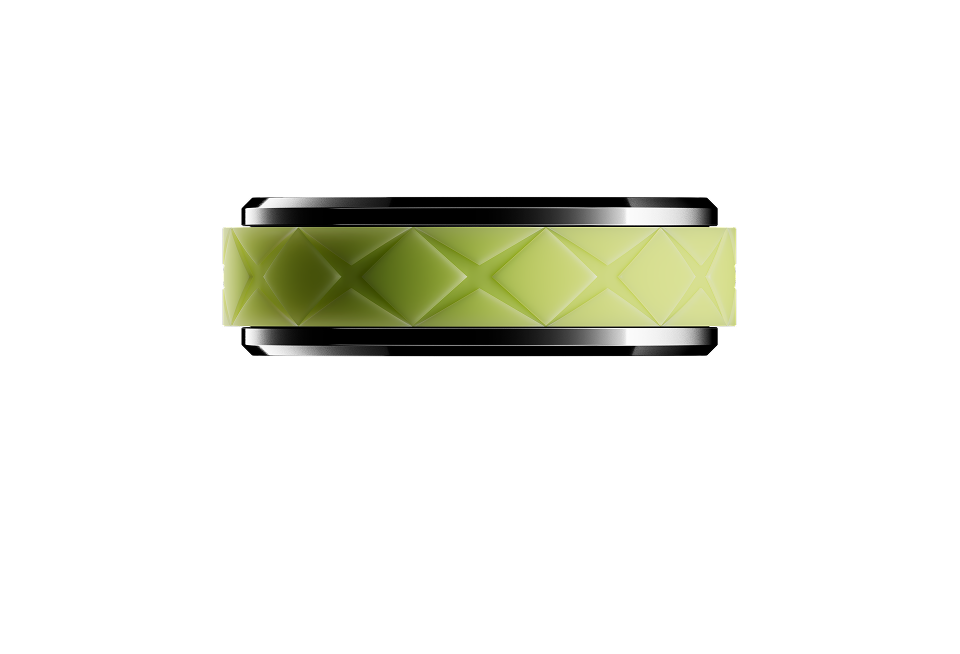
Its customizable design also includes interchangeable color shells in 12 colors, which adds a level of customization most smart rings don't offer. Powered by the CUDIS Age algorithm, the ring is built to surface deeper insights around biological aging. Add up to 10 days of battery life and endorsements from more than 50 Olympians, and the CUDIS 002 Sporty makes a very strong case for itself. For a closer look at the design, tracking experience, app, and overall value, read our full CUDIS smart ring review.
|
Feature |
Specification |
|---|---|
|
Form Factor |
Smart Ring (Titanium & Silicone) |
|
Battery Life |
Up to 10 days |
|
Subscription |
None |
|
Key Differentiator |
AI Coach, Health Rewards, Interchangeable Colors |
|
Starting Price |
$399 (MSRP) |
3. Oura Ring 4: The Pioneer in Sleep Tracking
The Oura Ring 4 still holds its place as a premium sleep-tracking device. It's known for its clean design and reliable sensors, and it remains especially strong at breaking sleep down into detailed stages that feed into its morning Readiness Score. The fourth generation doesn't reinvent the product, but it does make the ring a bit thinner and more refined.
It can automatically detect more than 40 activity types and keeps tabs on metrics like heart rate variability (HRV), blood oxygen (SpO2), and skin temperature. Battery life typically lands in the 5 to 8 day range. When it comes to sleep staging accuracy, Oura is still widely treated as the benchmark in the consumer wearable space.
The biggest friction point is still price. On top of the hardware cost, users need to pay $5.99 per month to unlock the full data experience. That ongoing fee makes subscription-free alternatives more appealing. Buyers comparing long-term costs, privacy, and company credibility can learn more about whether CUDIS is a legitimate no-subscription option.
|
Feature |
Specification |
|---|---|
|
Form Factor |
Smart Ring (Titanium) |
|
Battery Life |
5-8 days |
|
Subscription |
$5.99/month or $69.99/year |
|
Key Differentiator |
Gold-standard sleep tracking |
|
Starting Price |
$349 |
4. Garmin Venu 4: The Best for Serious Athletes
Garmin has earned its reputation with endurance athletes, and the Venu 4 continues that trend by mixing serious sports tracking with the convenience of a daily smartwatch. It has a bright 1.4-inch AMOLED display and a battery that can last up to 12 days, which is a strong result for this category.
Out of the box, you get more than 80 GPS and indoor sports apps. Garmin's signature "Body Battery" feature is still one of its most useful tools, giving you an easy-to-read view of your energy levels based on stress, HRV, and sleep data. The Venu 4 also adds serious training support through Garmin Coach and includes an FDA-cleared ECG app.
That said, the Venu 4 can feel like overkill if you don't actually want that much data. It's also a meaningful investment, and the sporty design doesn't blend into dressier settings as easily as a slim smart ring.
|
Feature |
Specification |
|---|---|
|
Form Factor |
Smartwatch |
|
Battery Life |
Up to 12 days |
|
Subscription |
None |
|
Key Differentiator |
80+ sports apps, Body Battery monitoring |
|
Starting Price |
$549.99 |
5. WHOOP 5.0: The Ultimate Screenless Recovery Coach
WHOOP 5.0 is built for people who care more about recovery data than screen-based interaction. Its screenless design keeps the focus on continuous biometric monitoring instead of notifications or display features. One of the biggest upgrades in this version is the move to 14-day battery life, doubling what earlier models offered.
The whole WHOOP system is built around balancing daytime strain with nighttime recovery. In practice, that means the app gives highly actionable guidance on training load and sleep needs. It's also flexible in how you wear it: on the wrist, on the bicep, or built into WHOOP-designed athletic apparel for dependable heart rate tracking.
The tradeoff is the subscription model. The hardware may be technically free, but you're committing to a plan that starts at $199 per year. Over time, that makes WHOOP one of the pricier options in the fitness tracker market.
|
Feature |
Specification |
|---|---|
|
Form Factor |
Screenless Band |
|
Battery Life |
14+ days |
|
Subscription |
From $199/year (Required) |
|
Key Differentiator |
Deep recovery analytics, versatile wearing options |
|
Starting Price |
Free with subscription |
6. Fitbit Charge 6: The Best Budget-Friendly Band
If you want a dependable fitness band without spending too much, the Fitbit Charge 6 is still one of the easiest picks in 2026. It balances practicality and comfort well, pairing a bright 1.1-inch color AMOLED display with a lightweight design that's easy to wear every day.
It offers accurate heart rate tracking, built-in GPS, and an ECG sensor for detecting atrial fibrillation. Since Google's acquisition of Fitbit, the Charge 6 also benefits from tighter integration with Google apps like Maps and Wallet, which makes it more useful outside workouts too. On top of that, it tracks more than 40 exercise modes and gives users clear, approachable sleep scores.
The main catch is that some of Fitbit's deeper insights, including the Daily Readiness Score, sit behind the Fitbit Premium subscription. Even so, the Charge 6 delivers a lot of value before you ever pay for the extra tier.
|
Feature |
Specification |
|---|---|
|
Form Factor |
Fitness Band |
|
Battery Life |
Up to 7 days |
|
Subscription |
Fitbit Premium (Optional) |
|
Key Differentiator |
Google integration, excellent value |
|
Starting Price |
$159.95 |
Conclusion: Which Fitness Tracker Should You Buy in 2026?
The right fitness tracker really comes down to your goals, your budget, and how you like to wear tech day to day. If you want the full smartwatch experience and already use an iPhone, the Apple Watch Series 11 is still the obvious choice. If you're training seriously and want deeper performance data, the Garmin Venu 4 and WHOOP 5.0 are both strong contenders.
If you prioritize a modern, comfortable, and user-friendly device, the CUDIS 002 Sporty is a top-tier option in 2026. It tackles several of the biggest wearable pain points at once with a lightweight ring design, no subscription fees, and a reward system tied to healthy behavior. If you are choosing between two subscription-free rings, our CUDIS vs Ultrahuman comparison provides a closer look at their features, technology, wellness insights, and ideal use cases.
Combined with subscription-free smart ring technology, including real-time activity tracking, sleep monitoring, and AI-powered health insights, the CUDIS ring aims to do more than log metrics; it helps users act on them.
If you want a smarter and more comfortable way to stay on top of your health, the CUDIS AI Smart Ring is well worth a closer look.


